
Quilcene, Dabob bays closed to recreational shellfish harvesting because of biotoxin fears
Published 12:01 am Sunday, May 3, 2015
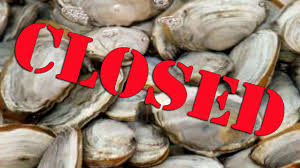
PORT TOWNSEND — Dabob Bay and Quilcene Bay beaches have been closed to the recreational harvest of shellfish because of high levels of a potentially deadly biotoxin.
Shellfish samples taken Wednesday were found to contain dangerous amounts of the biotoxin that causes paralytic shellfish poisoning (PSP), said Michael Dawson, lead environmental health specialist for the Jefferson County Water Quality Program.
Shellfish harvesting
He spoke Friday after the state Department of Health closed the bays for harvesting of all species of shellfish.
Any amount of PSP toxin over 80 micrograms per 100 grams of shellfish can be deadly.
The sample from Quilcene Bay contained 213 micrograms, while the Dabob Bay sample had 183 micrograms.
The closure applies only to recreational harvesting. Shellfish harvested commercially are tested for toxin prior to distribution and should be safe to eat, the state health department said.
New closure zone
The new closure zone extends south to Zelatched Point on the Toandos Peninsula and across Dabob Bay to just north of Seal Rock on Hood Canal.
Danger signs are being posted at high-use beaches to warn people not to consume shellfish from this area.
The closure includes clams, oysters, mussels, scallops and other species of molluscan shellfish. It does not apply to shrimp.
Crabmeat is not known to contain the biotoxin, but the guts can contain unsafe levels. To be safe, clean crab thoroughly and discard the guts (also known as the “butter”).
Already in effect
The new closures are in addition to those that were already in effect.
The Strait of Juan de Fuca from Cape Flattery east to the Jefferson County line are closed to the recreational harvest of all species — except in Sequim Bay and Discovery Bay.
In those bays, only butter clams and varnish clams are off limits.
Also closed to the harvesting of butter clams and varnish clams is Kilisut Harbor, including Mystery Bay, and Port Ludlow, including Mats Mats Bay.
Ocean beaches
Ocean beaches in both counties are presently closed for the season for harvesting of all species of shellfish.
PSP can sicken and possibly kill people with marine toxins that are not destroyed by cooking or freezing.
In most cases, the algae that contains the poisons cannot be seen and must be detected by laboratory testing.
PSP symptoms
Symptoms of PSP can appear within minutes or hours and usually begin with tingling lips and tongue, moving to the hands and feet, followed by difficulty breathing and possible death.
Anyone experiencing such symptoms should contact a health care provider immediately and call 9-1-1 in extreme cases.
Before gathering shellfish, check the safety map at www.doh.wa.gov/ShellfishSafety.htm or call 800-562-5632.
Recreational shellfishers also should check state regulations at www.wdfw.wa.gov/fishing/shellfish.