Peninsula salmon projects get $4.5 million
Published 12:01 am Sunday, December 8, 2013
OLYMPIA — The state has awarded $4.5 million in grants for new salmon restoration projects on the North Olympic Peninsula.
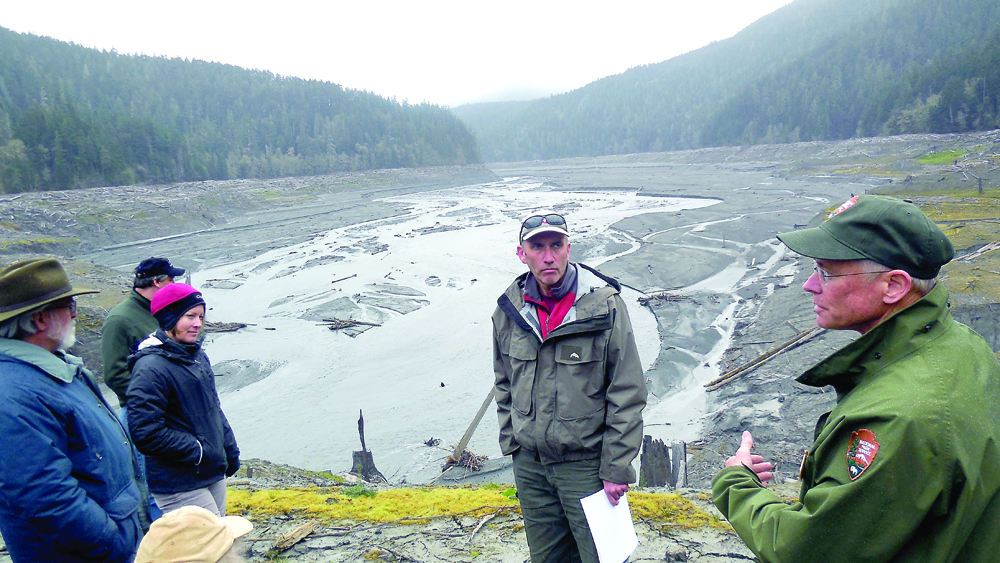
Clallam County project sponsors received $2.8 million for five projects, including a Lower Elwha Klallam tribe-led effort to replant the shores of the Elwha River in the former Lake Mills and Lake Aldwell reservoir beds.
Jefferson County received $1.7 million for six salmon recovery projects, including a State Parks purchase of streamside habitat on the south shore of the Dosewallips River.
The Salmon Recovery Funding Board awarded the grants at its Wednesday meeting in Olympia, said Cheryl Baumann, North Olympic Lead Entity for Salmon coordinator.
Lead entities are local watershed groups composed of governments, tribes, citizens and nonprofit groups that identify projects for Salmon Recovery Funding Board grants and Puget Sound Acquisition and Restoration funding.
“The Lead Entity is proud of the work done by project sponsors and lead entity members to develop and review this large and diverse restoration portfolio approved for funding this year,” Baumann said in an email.
Grants were awarded to the following Clallam County projects:
■ Lower Elwha Klallam tribe for replanting the banks of the Elwha River ($1.43 million).
“This project will revegetate areas exposed by removal of the upper and lower dams on the Elwha,” Baumann said.
“The work will be done by the tribe’s restoration crew and the Washington Conservation Corps.”
Tribal fisheries habitat biologist Mike McHenry wrote the grant, which competed against large-scale projects across the Puget Sound and ranked in the top 10, Baumann said.
The tribe will use the grant to hire a crew to control noxious weeds, plant 200,000 trees and sow 3,000 pounds of native grass seed in the exposed reservoir beds.
■ Lower Elwha Klallam tribe for restoring the Ediz Hook beach ($705,440).
Two quarter-mile sections of the beach will be restored and replanted to improve salmon spawning habitat, according to the Salmon Recovery Funding Board.
The tribe and the city of Port Angeles will contribute $169,460 in donations and labor.
■ Jamestown S’Kallam tribe for placing logjams in the upper Dungeness River ($408,659).
The tribe will place 14 engineered logjams in the Dungeness and Gray Wolf rivers within the boundaries of Olympic National Forest.
The logjams will slow the river, forming pools for salmon to rest, feed, hide from predators and spawn.
■ North Olympic Salmon Coalition for restoring the banks of the Dungeness River in Sequim ($199,456).
The coalition will use the grant to hire a Washington Conservation Corps crew for one year to plant trees and bushes along 75 acres of river bank and to remove invasive weeds on 112 acres of river channel.
■ Pacific Coast Salmon Coalition for reconnecting the Dickey Camp pond on the county’s West End ($31,900).
The coalition will create a new channel from the pond to Skunk Creek to allow fish to travel freely between the two.
Jefferson projects
Grants were awarded to the following Jefferson County projects:
■ Washington State Parks and Recreation Commission for protecting land along the Dosewallips River ($944,073).
State Parks will purchase 259 acres of habitat to protect much of the remaining private land along a 6-mile corridor from the mouth of the river to Olympic National Forest, the funding board said.
■ Jefferson County for conserving the Duckabush floodplain ($268,125).
In a partnership with the Jefferson Land Trust, the county will use the grant to buy a conservation easement on 15.5 acres of quality habitat in the floodplain.
■ Nature Conservancy for restoring habitat in a tributary of the Clearwater River in west Jefferson County ($158,208).
The conservancy will use the grant to place large logs and tree-root wads in Hurst Creek within its 3,088-acre Clearwater Preserve.
■ Pacific Coast Salmon Coalition for removing a fish passage barrier in Christmas Creek ($137,000).
An undersized culvert with a 4-foot drop will be replaced to open 1 mile of spawning habitat.
■ Pacific Coast Salmon Coalition for assessing Goodman Creek, a salmon- and steelhead-producing stream between the Hoh and Quillayute river basins ($119,253).
■ Port Townsend-based 10,000 Years Institute for removing invasive plants from the Hoh River floodplain ($105,483).
All told, $42 million in grants were awarded to organizations around the state.