
Oyster farm gets county OK for first phase only
Published 1:30 am Wednesday, February 12, 2020
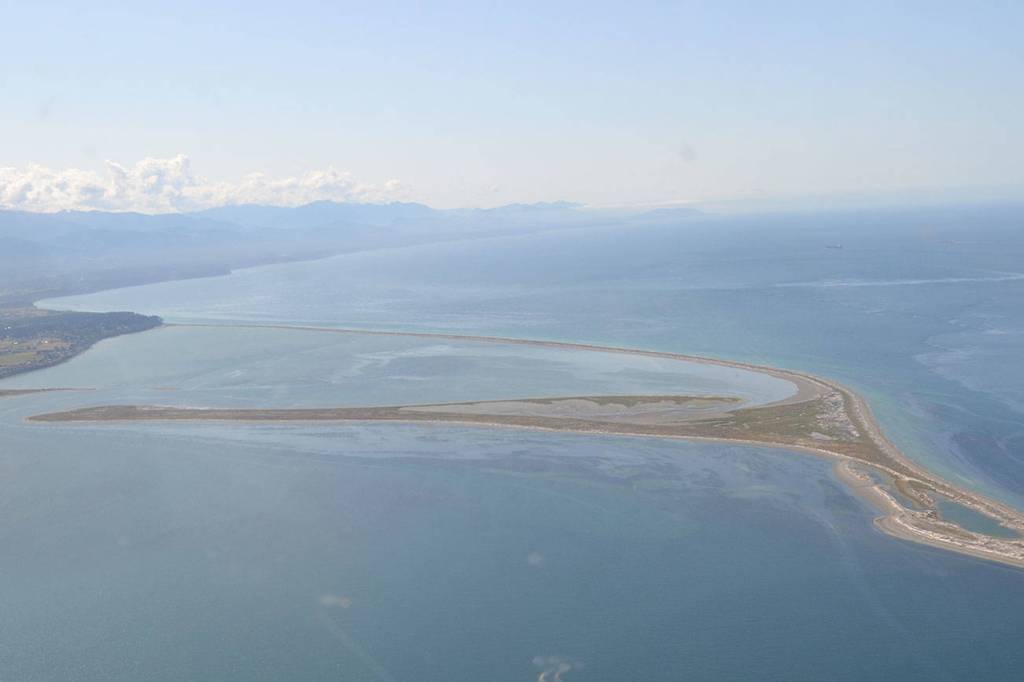
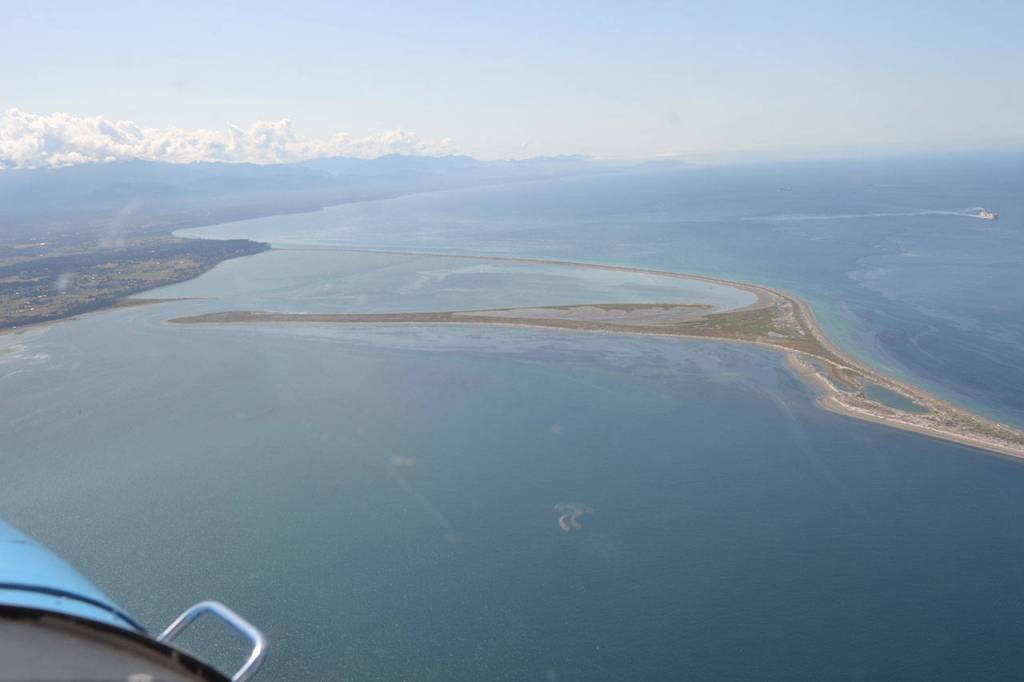


SEQUIM — The first portion of a three-phase oyster farm planned by the Jamestown S’Klallam Tribe within the Dungeness National Wildlife Refuge has received approval from the county’s hearing examiner after years of analysis and discussion.
Notice went out Feb. 6 that Clallam County Hearing Examiner Andrew Reeves had approved the project’s first phase, which is 5 acres of on-bottom bag oyster cultivation with up to 4,000 bags per acre.
The project also includes staff spreading oysters on the beach and harvesting them by hand.
Before the tribe can increase its farm to 10 acres of oysters in phase 2, and up to 20 acres in phase 3, it is necessary to have analysis of the farm’s impact on the area, the hearing examiner said.
“There is insufficient current data, however, to fully assess long-term impacts from this type of operation, especially in relation to the Refuge,” Reeves wrote in his decision.
He said that the hearing would reopen prior to phase 2’s expansion “to evaluate phase 1 impacts on the environment with particular emphasis on determining whether detrimental impacts have occurred to the refuge in conjunction with phase 1, whether additional conditions are necessary, and whether it is appropriate to approve additional phases of the approval.”
Reeves made his original decision on the project on Jan. 10, but Clallam County’s Department of Community Development staff on Jan. 21 asked for reconsideration about a condition regarding wildlife monitoring.
County staff wanted tribal staff to offer a solution for if they, the Olympic Peninsula Audubon Society, and U.S. Fish and Wildlife Service couldn’t agree on terms for a Memorandum of Understanding (MOU) related to monitoring shorebirds and waterfowl.
Reeves agreed to the change on Feb. 6, mandating the tribe enter an MOU with the entities; if they cannot come to an agreement on the scientific process, the Department of Community Development staff would select a third-party for monitoring with expenses falling to the tribe.
As part of his conditions, Reeves took note of the public’s concern about the farm on the National Wildlife Refuge, and the potential for introducing plastics into the marine environment.
“After public testimony on plastics, the hearing examiner is left with the impression that more site-specific research would be beneficial, both for this specific project and for all aquaculture projects throughout the state … ” he noted.
Reeves’ approval authorizes a conditional use permit and a Shoreline Substantial Development for the tribe. After approval at the county level, the tribe must obtain permits and licenses from multiple state and federal agencies.
The tribe also must submit an annual monitoring report of the eelgrass areas to the county and conduct twice-annual beach cleanups of marine debris along Dungeness Spit, Graveyard Spit and Cline Spit.
Farm history
Oyster farming south of the Dungeness Spit dates to at least 1953, county and tribal officials report, with the tribe leasing and operating a farm from 1990-2005 until it was de-certified because of contamination in the bay.
The reestablished oyster farm would be located in the bay about 4,000 feet north of Cline Spit on tideland leased from the state Department of Natural Resources.
County staff suggested during the comment period that Reeves deny the application because it “would not be consistent with the natural shoreline environment and would negatively impact wildlife at the Refuge.”
According to county records, county senior planner Greg Ballard testified that the shoreline environment should be relatively free of human activity.
Tribal officials responded on record that the area was downgraded by the Department of Health because of a decline in water quality, and that there were no documented adverse effects in the 50-plus years oyster farming was active.
Reeves wrote that the fact the tribe would be resuming commercial oyster farming “cannot be stressed enough.
“Were the applicant proposing a new activity or a new location for this activity within the natural environment, denial would be mandated, given the policies that govern the Natural shoreline environment.”
County staff said oyster farming was not a pre-existing, nonconforming use, Reeves wrote, but the state Department of Ecology (in WAC 173-27-080[3][C]) states the use shouldn’t be discontinued when inactive due to dormancy.
“Evidence in the record clearly establishes that the on-bottom methods proposed would have fewer impacts, especially aesthetically, than the longline cultivation method the application previously employed on-site,” Reeves wrote.
The planned oyster farm would deploy plastic black mesh bags anchored to the substrate with each bag measuring about 2 feet wide by 3 feet long, at about 10 feet apart between rows.
Tribal officials state they moved on from their previous method of longline culturing, a process that sees oysters grown on clusters of rope lines.
On Dec. 11, 2018, the tribe revised its proposal to include three phases along with a Monitoring and Mitigation Plan that includes efforts such as keeping shellfish activities at least 25 feet from native eelgrass.
________
Matthew Nash is a reporter with the Olympic Peninsula News Group, which is composed of Sound Publishing newspapers Peninsula Daily News, Sequim Gazette and Forks Forum. Reach him at mnash@sequimgazette.com.