
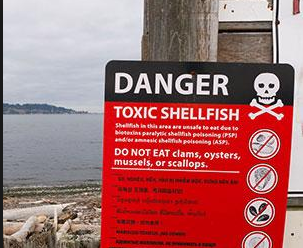
DISCOVERY BAY — Discovery Bay-area beaches have been closed to recreational shellfish harvesting due to elevated levels of marine biotoxins that cause paralytic shellfish poisoning.
Recent shellfish samples from the area showed an increase in biotoxins, prompting the state Department of Health closure, according to a Jefferson County Water Quality Program news release late Monday.
Shellfish harvested commercially are tested for toxins prior to distribution and should be safe to eat.
Another closure ends
Meanwhile, marine biotoxins in Dabob Bay have declined, and the closure there from earlier in the season has been lifted.
However, a vibrio bacteria warning is in place, and all shellfish harvested from the Dabob Bay area should be cooked prior to consumption.
In Clallam County, all beaches on the Strait of Juan de Fuca remain open to shellfish harvesting of all species, with the exception of Sequim Bay, which is closed to the harvest of butter clams and varnish clams.
All Pacific coast beaches are closed for the season.
Elsewhere in Jefferson
Previously announced closures to all species in Jefferson County — including Quilcene Bay and the area south of Dabob Bay to the Mason County line — remain in effect because of biotoxin levels.
Port Ludlow and Mats Mats Bay beaches remain closed to all species.
This closure zone extends east around Tala Point but does not include the Tala Shore beach.
Also in Jefferson, Kilisut Harbor, including Mystery Bay, remains closed to butter and varnish clam harvesting.
Danger signs warning people not to consume shellfish from closed areas are being posted at high-use beaches.
The closure includes clams, oysters, mussels, scallops and other species of molluscan shellfish. It does not apply to shrimp.
Crab meat is not known to contain biotoxins, but the guts can contain unsafe levels. Crabs should be cleaned thoroughly and the guts, or “butter,” discarded.
Marine biotoxins are not destroyed by cooking or freezing.
Signs of poisoning
Symptoms of paralytic shellfish poisoning can appear within minutes or hours and usually begin with tingling lips and tongue, moving to the hands and feet, followed by difficulty breathing and potentially death.
Anyone experiencing these symptoms should contact a health care provider immediately. For extreme reactions, phone 9-1-1.
Recreational shellfish harvesters should check the Department of Health shellfish safety map at www.doh.wa.gov/ShellfishSafety.htm or phone 800-562-5632 before harvesting.
