
OUTDOORS: River restoration sidelines Big Quilcene River coho fishery
Published 1:30 am Thursday, July 23, 2026
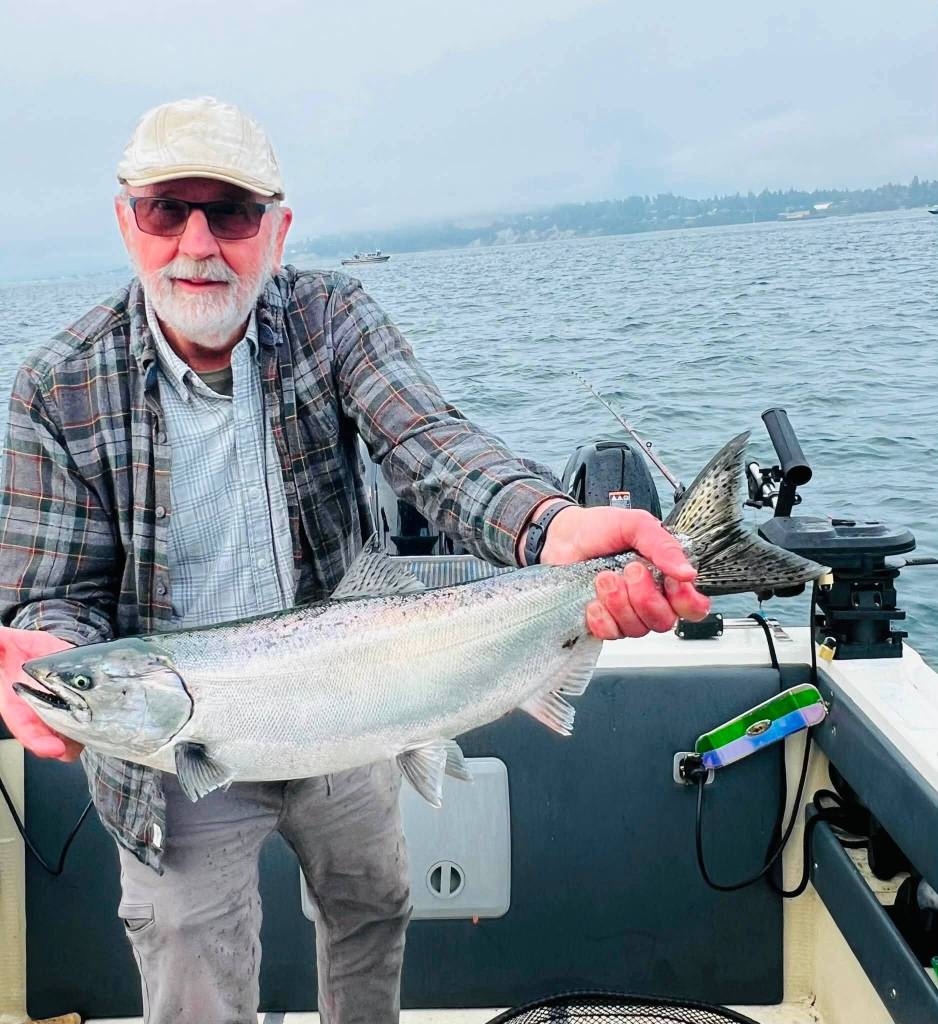
THE RECENT RELEASE of the 2026-27 state fishing regulations provided clarity on what was hinted at this spring: there will be no recreational coho fishing on the Big Quilcene River in August.
In March, the state Department of Fish and Wildlife warned that “major habitat restoration projects happening this year will limit public access to the Big Quilcene River in Jefferson County from the Highway 101 Bridge to the mouth at Quilcene Bay on Hood Canal. New river channels are being constructed, with flows being diverted starting in August.
“These projects will greatly enhance salmon spawning and rearing habitat and expand fishable waters during future seasons. In the meantime, active construction areas, loose sediment, fragile riparian plantings, and private property concerns will significantly affect the 2026 coho fishery.”
Quilcene’s Ward Norden was putting out warnings about a likely river closure as far back as March.
He recently perused a paper copy of the rules and pointed out the lack of a salmon season on the river.
Norden volunteers with coho at the federal fish hatchery in Quilcene but said he’s never participated in the fishery, although he appreciated the tourist dollars the Big Quil generated for his community.
“I told the (fish hatchery) manager that I figured last year to be the last sportfishing salmon season on the Big Quilcene,” Norden said. “For years, the WDFW has been shortening and shortening the season on the Big Quil while at the same time putting numerous unfriendly teams on the river to make sportfishing in the lower river as unpleasant as possible. That fishery was the last truly popular fishery on Hood Canal and it had to go away.”
Norden expects treaty tribes will harvest the coho returners. He was told tribal fishermen dipnetted 5,800 coho at $1.75 per pound in 2025.
He’s not upset with tribal anglers, but with the state for constraining access to a federally funded resource.
“The tribal dipnetters will have access to the whole run, which makes it to the mouth,” Norden said.
“Those coho are a 100 percent subsidy paid for by federal taxpayers. I can’t tell now if there will be another season in 2027 because this summer WDFW will be able to use the excuse that, in the next four weeks, the dikes will be breached and the river will be redirected into a brand new artificial channel under the new, very nice (Linger Longer) Bridge.”
Norden said 2027 will provide clarity on a resumption of angling on the Big Quilcene River.
River center camp
Kids ages 9-12 can explore the world of salmon and the ecosystems they depend on during the Dungeness River Nature Center’s new Salmon Stewards Camp from Aug. 4-7, a partnership with the North Olympic Salmon Coalition.
Through hands-on activities, crafts and games, they’ll discover the salmon life cycle, what makes ecosystems thrive and how humans shape the environment.
Campers will even get a chance to make a real difference by releasing live coho fry into the river.
Campers should come dressed in play clothes, water shoes and/or sneakers. Be sure to pack a water bottle, lunch, snacks, sunscreen, hat and other layers.
The camp is $275 for the public, $250 for DRNC or NOSC members. Full and partial scholarships are available.
To register or for more information, visit https://tinyurl.com/PDN-SalmonStewards.
Shark bites back
An investigation by the state Fish and Wildlife Police into illegal shark fishing in Puget Sound has produced criminal charges for a YouTube content creator known as “The Ginger Snake Man.”
A total of 14 incident complaints had been made about this individual, 11 of which were specific to targeting sixgill and sevengill sharks. Many of the complaints had stemmed from the suspect’s social media platform that included photos and videos of illegal sixgill and sevengill being caught and handled.
Fishing for sixgill and sevengill sharks is illegal, and unfortunately officers are seeing a growing number of online posts showing these sharks targeted and then unlawfully removed from or partially removed.
Officers determined a pattern of illegal activity and set up surveillance at a pier in Puget Sound to catch the suspect in the act. After spending several hours monitoring the suspect and his friends fishing from the pier, the officer caught the suspect dragging a six-gill out of the water for a trophy photo before being released.
In the edited video posted by WDFW Police, an officer confronts the suspect and alleges, “You know your shark rules. You can’t full or partially remove sixgill from the water. When you wrestle a sixgill to shore like that, you hop on its back, you expose its gills to the air. You know as well as anybody else does that Puget Sound is a nursery for those sharks. There has been direct correlation to catching shark in this stage of their lives and mortality of the pups inside the moms. Once they exhaust themselves being fought to shore, then all of their babies die.”
To watch Fish and Wildlife Police confront the suspects, visit https://tinyurl.com/PDN-IllegalSharkFishing.
In total, nine counts of second-degree unlawful recreational fishing, a misdemeanor, and one count of making a false or misleading statement to a public servant, a gross misdemeanor, were filed in Pierce County.
Each misdemeanor charge carries up to a $1,000 fine and up to 90 days in jail, and the gross misdemeanor carries up to a $5,000 fine and up to one year in jail.
Puget Sound acts as a nursery for the young sharks before they journey into the oceans and eventually return to Puget Sound to repeat the cycle.
________
Sports reporter/columnist Michael Carman can be contacted at sports@peninsuladaily news.com.

Best of Olympic Peninsula