
OUTDOORS: Jamestown Dungeness crab tagging effort underway
Published 1:30 am Thursday, August 13, 2026

Peninsula Daily News
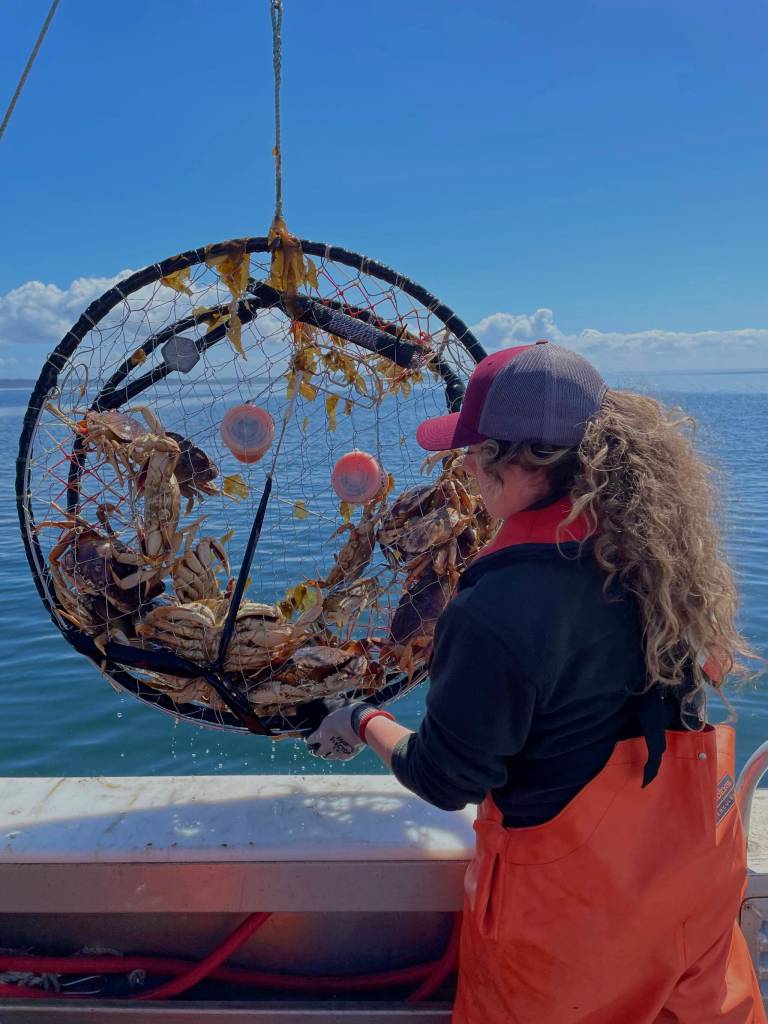
SEQUIM — Beneath the surface Dungeness crabs are constantly on the move, navigating sandy floors from deep channels to shallow coastal bays. Understanding exactly where they travel and why remains one of the most important questions facing Puget Sound Tribal and state crab co-managers today.
To help answer these questions, the Jamestown S’Klallam Tribe Natural Resources Department started a Dungeness crab tagging effort this month.
Building on the Tribe’s ongoing monthly crab research surveys in the Eastern Strait of Juan de Fuca, Jamestown aims to tag and release 500 male Dungeness crabs, focusing on the marine waters surrounding Dungeness, Discovery, and Sequim Bays.
Tracking crabs’ movement gives co-managers a clearer picture of how crab populations use local habitats. Each tag reported by a crabber adds a crucial data point that directly informs how these crab fisheries are managed while ensuring long-term population sustainability.
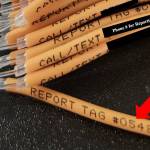
Jamestown biologists will carefully sample each captured crab from their monthly survey, evaluating its size, sex and shell condition and affixing a bright orange “floy tag” (thin, wire-like marker) before returning it unharmed to the water.
Orange tags will be anchored on the lower back underside of the crab’s carapace, positioned along the suture line above the hind leg.
Tagging does not harm the crab, nor does it affect the quality of the meat. Legal-sized tagged crabs may be harvested and safely consumed in accordance with current fishery regulations.
Floy-tagged species
If you catch a crab with a floy tag, please call the phone number printed on the marker and report the following information:
• Tag number (as printed on the marker)
• Date (date and approximate time crab was caught)
• Location (GPS coordinates if possible, or nearest geographic reference)
Additional helpful information to report:
• Depth (approximate depth crab was caught)
Why tagging matters?
A Dungeness crab caught around Dungeness Bay today may have migrated miles from adjacent waters or may not have traveled very far at all; we simply do not know.
By gathering recovery reports, co-managers gain valuable insights into crab migratory routes, as well as distance and rates of travel.
This aids in determining whether crabs reside in localized areas or travel long distances.
Perhaps most importantly, this research will help managers understand how crab movement between management areas might influence quota setting and harvest schedules.
This tagging initiative is part of broader collaborative Dungeness crab research effort by Puget Sound Tribal co-managers, state Department of Fish and Wildlife, and the Pacific Northwest Crab Research Group (PCRG).
The Jamestown S’Klallam Tribe encourages all community members, recreational anglers, and commercial fleets active in the Eastern Strait of Juan de Fuca to keep a sharp eye out for bright orange tags.
Please report crab caught with bright green or blue floy tags as well!
Tagging efforts by Fish and Wildlife and the Suquamish and Swinomish Tribes in neighboring areas are ongoing. Public cooperation is essential to the success of the study.


Best of Olympic Peninsula