OUTDOORS: GPS catch records would be useful
Published 1:30 am Friday, July 24, 2026
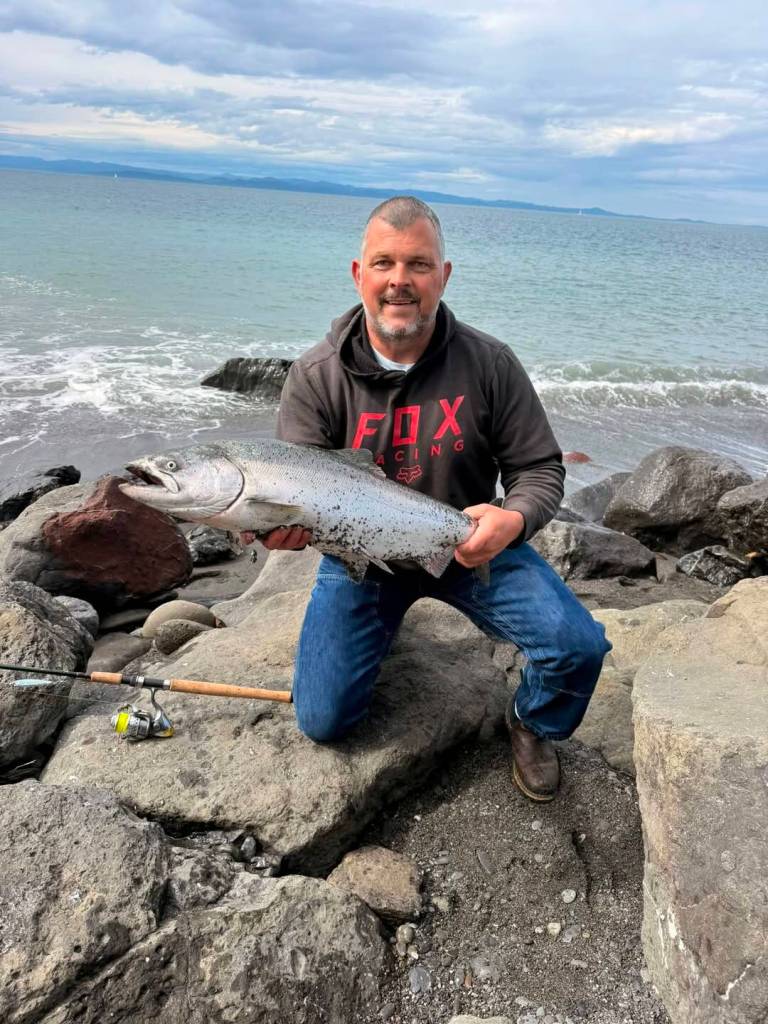
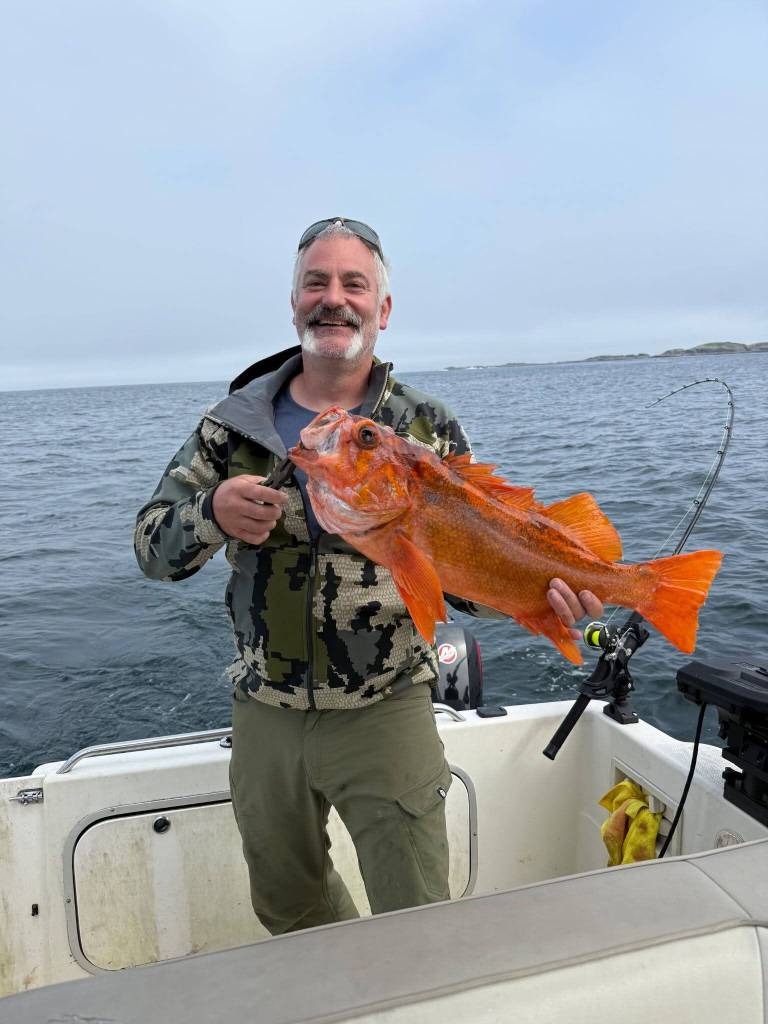
A RECENT QUERY after the closure of Marine Area 9 to hatchery king fishing, allowed for a dig into state harvest and possession rules.
The state harvest and possession rules posit: You may not fish for, or harvest fish or shellfish in an area with catch in your possession that does not meet the rules of that area. However, you may pass through such an area without stopping to fish.
Does that mean you can not go catch kings in Marine Area 6 (Eastern Strait of Juan de Fuca), then go pull your Marine Area 9 (Admiralty Inlet) crab pots (king season now closed in Marine Area 9)?
A similar issue could arise for an Area 9 angler wanting to fish chinook during the short Marine Area 10 fishery this weekend and pull pots at the end of their outing.
And it turns out that doing so is illegal as crabbing is considering fishing.
To be legal, you can drop your pots, go fishing, take any caught fish back to your vehicle, then go back out to pull your pots.
With a shift toward the state’s Fish Washington app for catch recording, the app should be used for the benefit of anglers.
GPS technology could provide the proof anglers would need to show where exactly their catches occurred and remove the air of suspicion that comes along with any marine enforcement interaction.
The app plotted fish catches could provide real-time data for fisheries managers, instead of waiting for anglers to return their salmon catch record cards months after the end of seasons and smack in the middle of North of Falcon negotiations.
Potentially using GPS technology to record fish catches in the app would likely need a stamp of approval from the legislature to be put in place.
Area 6 steady
State Department of Fish and Wildlife fish checkers have been counting as the kings begin to trickle in to Port Angeles (Marine Area 6) instead of pour.
At the Ediz Hook public ramp on Tuesday, 93 anglers reported bringing in 43 hatchery kings and zero coho in 50 interviews, a 0.46 catch per angler trip average.
Thursday saw limited effort with 29 anglers catching 21 hatchery chinook and zero coho in 15 interviews, a 0.72 chinook per angler.
At the boat haven ramp Tuesday, another 78 anglers reported catching 33 hatchery kings and zero coho in 37 interviews, a 0.42 catch per angler trip average.
The average was about the same Thursday at 0.49 after 35 anglers reported landing 17 kings.
Sekiu slow
Still shaking my head at the decision making around the Sekiu (Marine Area 5) chinook season.
When the one day on, one day off schedule format failed to attract anglers, with just 15 percent of the total legal-sized encounters limit (657 of 4,323) through July 1, in-season management switched to the traditional two-king, seven-day a week fishery.
This was after the encounter limit was lowered and the season shortened to add back blackmouth time in spring.
Sub-optimal management of the fishery, that.
In Marine Area 5 on Thursday, checkers at Van Ripers’ South conducted 24 interviews with 49 anglers and found 17 hatchery chinook and six hatchery coho.
Another 47 anglers caught 11 kings and two coho at Mason’s Resort on Thursday, while 122 anglers brought in 34 kings (0.27) and nine coho on Tuesday.
And now indicate the fishery has reached 15 percent of the total legal-sized encounters limit (1,971 of 4,323) through July 18.
Neah Bay update
More and more kings and a number of wild coho are being landed as the ocean salmon season off of Neah Bay and La Push rolls on.
Neah Bay saw a total of 1,501 chinook and 461 coho were landed by 2,157 anglers in estimates through July 19.
The numbers equal a 0.7 chinook catch per angler trip and a 0.21 coho/per trip.
Neah Bay anglers had caught 45-percent or 5,895 of the area’s 13,110 chinook guideline.
Coho catches have totaled 1,149 of the 10,700 coho quota, or 11-percent.
A total of 620 La Push anglers have caught 309 chinook so far and 202 coho, which is 14-percent of the area’s 2,200 chinook guideline and eight-percent of the 2,680 coho quota.
Hood Canal bloom
This week in Hood Canal, that famous ultra-green algae is starting to bloom again, according to Quilcene’s Ward Norden.
“In past blooms, the chartreuse green has been visible from space,” Norden said. “The algae is called coccolithophore algae and is one of the oldest organisms on the planet. The white cliffs of Dover are coccolithophore skeletons. The algae is harmless to people and most fish but can suffocate clams, young shrimp, and young crab if it is around too long.
These microscopic organisms have chalky calcium carbonate plates that reflect light and are non-toxic, but they temporarily dye the dark waters of the Hood Canal a striking, brilliant shade of teal or turquoise.
“It is currently quite a sight around Brinnon and Point Whitney,” Norden said. “That algae requires nutrient poor water (read that un-polluted) so it is arguably a good sign. The last big bloom was in 2022 but a minor one occurred in 2024 if memory serves.”
________
Sports reporter/columnist Michael Carman can be contacted at sports@peninsuladaily news.com.

Best of Olympic Peninsula