
Every person can play a role in buffering adversity
Published 1:30 am Friday, July 17, 2026
MOST OF THE systems that help children are built to find gaps, harms or what’s wrong. Screening tools look for deficits. Case files track risk. That work matters. But there is a newer body of research asking a complementary question: what is going right in a child’s life, and how do we build more of it?
Think of it as a scale. On one side sits what researchers have learned about harm, the Adverse Childhood Experiences, like abuse or neglect, that can shape a child’s health and future.
On the other side, researchers at Healthy Outcomes from Positive Experience National Resource Center based out of Tufts Medical Center in Boston have spent years building out the evidence for Positive Childhood Experiences; PCE examples include access to safe environments.
The Resilience Project has been drawing on this framework directly in our programming, including Resilience Month this October.
The harm side of the scale is still very present locally. In Clallam County, the 2025 Washington Healthy Youth Survey found that 18.1 percent of 10th-graders reported four or more Adverse Childhood Experiences, compared to 14.1 percent statewide. In Jefferson County, the gap is still wider: 26.2 percent, compared to 14.1 percent statewide.
Students with four or more adverse experiences were far more likely to report feeling sad or hopeless, and far more likely to have considered suicide, than their peers with fewer. The dose-response research behind this is well established: as the number of Adverse Childhood Experiences rises, so does the risk of chronic health problems, mental illness and substance misuse in adulthood.
This is where the other side of the scale matters, which is also very present locally, and it can look like specific things. A grandmother who asks what happened at school. A friend group that saves a seat at lunch. Two adults, besides a parent, who take a genuine interest. Feeling safe and protected by an adult at home. PCEs are moments, feelings and recollections like these.
Ideally, we want to prevent adversity, but if we cannot, this research speaks to how PCEs can buffer its effects. A 2019 study in JAMA Pediatrics found that adults who had experienced significant childhood adversity, four or more Adverse Childhood Experiences, still had substantially better mental health outcomes if they also recalled several Positive Childhood Experiences. The harm did not disappear. The outcome still shifted.
How do we add to the positive side of the scale? Constant, caring, stable relationships play a major part. The same 2025 survey asked local 10th-graders where they turn for support. Just more than half named a friend or peer. Nearly 46 percent named a parent or guardian. Smaller yet still meaningful numbers named a sibling, a coach, a teacher or school counselor, or another trusted adult. And about 7 percent reported no support.
Every one of these numbers matters. Thank you to the paraeducators, child care professionals, friends and families who become that person for a child.
This framework can be for all of us to remember and integrate into daily life. One in 14 students on the Olympic Peninsula reports not having that relational support. Positive Childhood Experiences are built in ordinary moments, by any person, showing up consistently. A bus driver who greets a student by name every morning. A coach who asks how a player is doing, not just how they played. A neighbor who waves, and means it.
When you have an opportunity to create a Positive Childhood Experience for a young person, take it. Research shows it can meaningfully tip the scale and make a profound difference.
For more information, you can find the full research at positive experience.org or contact Minnie Whalen at clallamresilience@gmail.com.
________
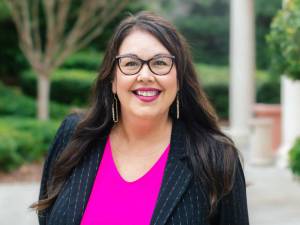
Minnie Whalen is the director of the Resilience Project, a hope ambassador and a certified facilitator of the Tufts PCE Framework on the Olympic Peninsula. The Resilience Project is a regional consortium that is fiscally sponsored by the Olympic Peninsula YMCA and brings together sectors to coordinate action, share learning and build collective impact.


Best of Olympic Peninsula