
How the criminal justice system in Clallam County supports accountability in recovery
Published 1:30 am Thursday, July 16, 2026
RECOVERY BEGINS WITH accountability.
For many individuals struggling with substance use or mental health challenges, that journey starts in the Clallam County Jail.
While incarceration is never the desired outcome, it can become the first opportunity to interrupt destructive behaviors and connect individuals with the services needed to build a healthier future.
The criminal justice system plays an important role in promoting accountability by combining supervision with rehabilitation, treatment and reentry planning.
This balanced approach helps justice-involved individuals address the issues that contributed to their involvement in the criminal justice system while reinforcing personal responsibility and protecting public safety.
One of the most effective tools is comprehensive case management.
Beginning well before an individual’s release, case managers coordinate treatment, connect individuals with housing, employment, healthcare and community resources, and ensure continuity of care.
Research has shown that early transition planning significantly improves treatment engagement and reduces the likelihood of reoffending.
Peer recovery specialists, individuals with lived experience in recovery, also provide invaluable support.
By offering mentorship, encouragement and practical guidance, they help individuals navigate the challenges of reentry, remain engaged in treatment and reduce the risks of relapse, overdose and future criminal behavior.
Our therapeutic courts, including drug courts and mental health courts, further reinforce accountability by combining close judicial oversight with individualized treatment plans.
Participants are expected to meet strict program requirements while receiving the support necessary to address the underlying causes of their criminal behavior.
Success is earned through compliance, personal responsibility and measurable progress.
Law enforcement officers, judges, probation officers, treatment providers and community advocates each play a role in this process.
By applying the law fairly and ensuring individuals understand and meet their legal and treatment obligations, the criminal justice system can promote lasting behavioral change.
The bottom line is this: Accountability and recovery are not competing goals, they are complementary.
When the criminal justice system combines accountability with evidence-based treatment, structured case management, peer support and coordinated reentry services, individuals are given the opportunity to rebuild their lives while making our communities safer.
Breaking the cycle of addiction and criminal behavior benefits not only those in recovery but also the families, victims and communities we serve.
________
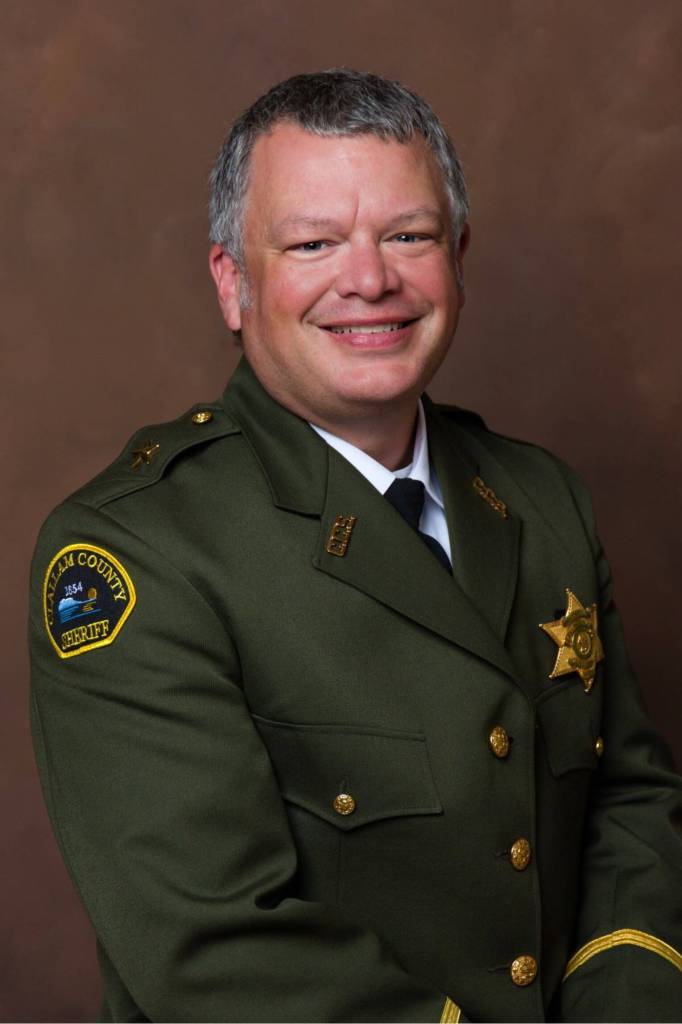
Brian King is the Clallam County Sheriff.


Best of Olympic Peninsula