
Let’s talk about DUI
Published 1:30 am Thursday, July 2, 2026
AS WE APPROACH the July 4th holiday, it is a great opportunity to think about and review what we know about driving under the influence (DUI).
First, some quick history: Starting in the 1970s, states began to address the high accident, injury and death toll associated with impaired drivers. Laws were updated and law enforcement training was improved.
The National Highway and Traffic Safety Administration funded academic research on tools that ultimately allowed law enforcement to better detect and interdict impaired drivers.
The field sobriety testing and chemical tests were improved and scientifically validated.
Societal behavior changed (for the better), and it now became acceptable to have a designated driver, to call a taxi, or to simply not consume any alcohol or other drugs when driving. The presumptive unlawful blood alcohol content went from .15 in most states to .08 percent.
For reference, .08 is about three alcoholic drinks for an adult male. And, in 2026-2027 there is a strong legislative effort in Washington to reduce the presumptive level to .05 percent.
Between 1975 and 1990, most law enforcement in the U.S. adopted the same standardized training and DUI procedures.
It is now very unlikely that an impaired driver, once contacted by law enforcement, will go undetected.
Officers receive 24 hours of the same training nationwide, have hand-held breath test devices, have additional training in the operation of machines such as the Intoxilyzer (that measure breath alcohol) and can obtain search warrants to draw blood to measure the presence of other drugs.
And officers are trained to observe and identify clusters of driving behavior that might not in themselves be a traffic violation, but are enough to justify a traffic stop and further investigation.
According to research, the approximate annual DUI-related death toll in the US in 1975 was about 20,000.
In 2025, it declined to a bit over 12,000, which is about 30 percent of all traffic fatalities. Again, starting with the 1975 research, the data shows that the average impaired driver makes considerable DUI trips before being caught.
With the many variables in law enforcement staffing and resources, this means that the odds can range from 1 in 200 to 1 in 2,000.
Millions of impaired driving trips occur every year and law enforcement only interdicts a fraction.
But the lesson here is not about getting away with it.
Once stopped by law enforcement, the chances of going undetected are very slim.
Rolling the dice while impaired by alcohol or drugs pits the driver against well-trained and well-equipped law enforcement, committed prosecutors and a system that will be hard to beat in terms of both results and consequences.
Add an injury accident or a death caused by an impaired driver and things get even rougher.
A suspended license, a criminal conviction, a significant fine, significant insurance costs and other personal impacts can sometimes have significant jail time added to the mix.
This summer local, county, state, tribal and federal law enforcement will be actively looking for impaired drivers on our roadways.
At the Port Angeles Police Department, we have made 42 DUI cases year-to-date.
Summer is our most active DUI season. Our officers are situationally aware in terms of local night-time DUI behavior and driving practices.
It is very likely we will exceed the 72 DUI cases we made in 2025.
If you want to learn more about the research, the odds of getting caught and why all of us should do what we can to influence ourselves and others not to drive impaired, the National Highway Traffic Safety Administration, the Centers for Disease Control and organizations such as PlainRoadSafety have compiled reliable and up to date statistics and facts.
Thank you and have a safe and DUI-free summer!
________
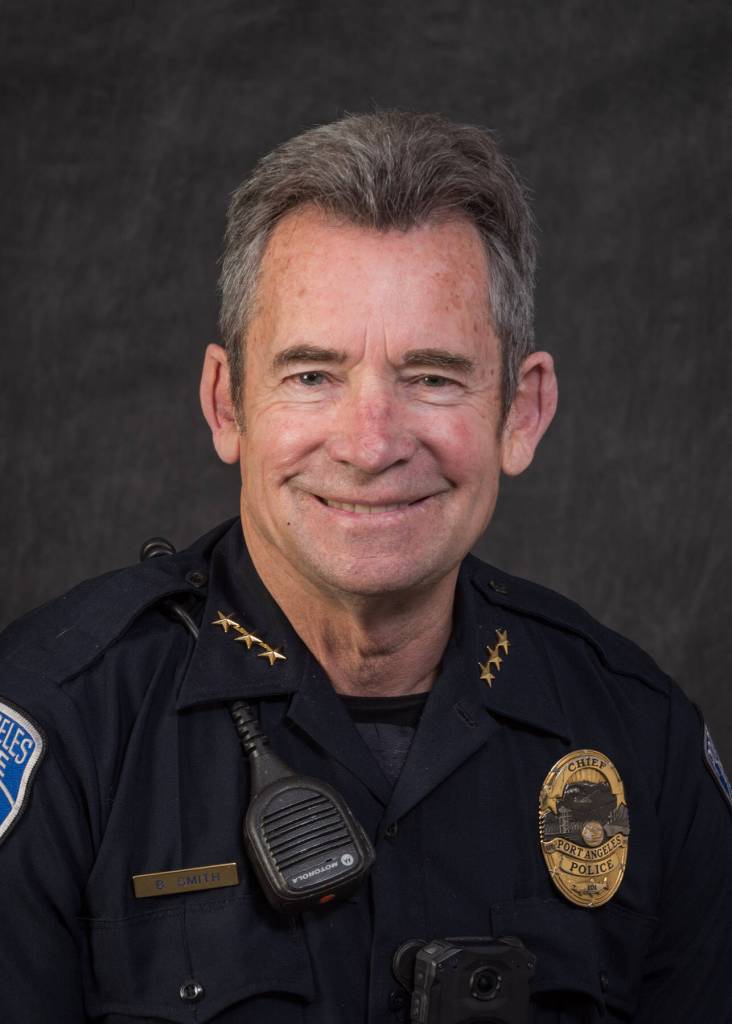
Brian Smith is the Port Angeles Police Chief.


Best of Olympic Peninsula