OUTDOORS: Crabbing season opens Friday
Published 4:45 am Tuesday, June 30, 2026
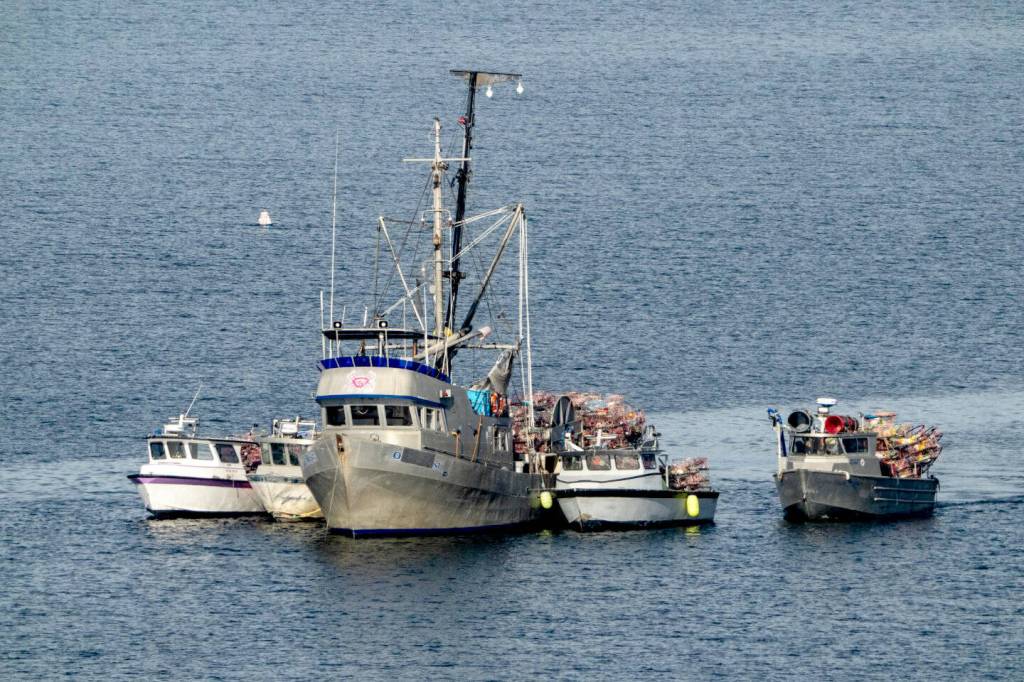
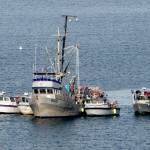

OLYMPIA — Summer crab fishing seasons will get underway Thursday in the Strait of Juan de Fuca and the northern Puget Sound marine areas.
“Crabbing should continue to be strong in northern marine areas such as Admiralty Inlet, Deception Pass, Port Susan, and around the San Juan Islands,” Don Velazquez, WDFW crustacean biologist.
“However increasing effort and lower Dungeness crab abundance observed during recent surveys by WDFW and tribal biologists require us to limit crabbing to two days per week in marine areas around Seattle and Tacoma in central and south-central Puget Sound,” Velazquez said.
Marine Area 4 (Neah Bay east of the Bonilla-Tatoosh line), Marine Area 5 (Sekiu and Pillar Point), Marine Area 6 (The Juan de Fuca Strait east of the Lyre River, Port Angeles, Discovery Bay, Point Wilson), Marine Area 9 (Admiralty Inlet) and Marine Area 12 (Hood Canal) north of a line projected true east from Ayock Point are open Thursday through Sept. 7 with crabbing is allowed Thursdays through Mondays only.
Marine Area 12 (Hood Canal) south of a line projected true east from Ayock Point is closed until further notice to protect weak Dungeness crab populations.
WDFW will have catch samplers (also known as creel checkers) at many boat launches and water access sites this summer to gather additional information from recreational crabbers. Catch samplers typically measure Dungeness crabs and obtain a total weight of the crabs retained to monitor the health of the population.
WDFW asks all crabbers and fishers to respect catch sampling staff and understand that in some locations boats may be checked for both Dungeness crab and for salmon or other finfish.
The daily limit throughout the Puget Sound Management Area, which includes all marine areas east of the Bonilla-Tatoosh line in Marine Area 4 (Neah Bay), is five Dungeness crab, males only, in hard-shell condition with a minimum carapace width of 6¼ inches. Fishers may also keep six red rock crab of either sex per day in open areas, provided the crab are in hard-shell condition and measure at least 5 inches carapace width.
Recreational crabbers may not set or pull shellfish gear from a vessel from one hour after official sunset to one hour before official sunrise. Each unattended trap or pot must have its own buoy line and a separate buoy that is permanently and legibly marked with the first name, last name and permanent address of the licensed harvester. All traps must be removed from the water on days when the fishery is closed.
Shrimp days added
OLYMPIA — The Washington Department of Fish and Wildlife this week added two days — July 19-20 — to the fishery for all shrimp species in Marine Area 6 (Lyre River to Point Wilson) outside of Discovery Bay.
All species of shrimp are affected. These include spot shrimp, coonstripe shrimp, dock shrimp, pink shrimp and sidestripe shrimp.
Updated dates include:
• Marine Areas 4 east of the Bonilla-Tatoosh line and Marine Area 5 (Neah Bay and Sekiu): Open Monday to Oct. 15 for all shrimp species. Daylight hours only.
• Marine Area 6 (excluding the Discovery Bay Shrimp District): Open July 19-20 for all shrimp species. Daylight hours only.
• Marine Area 9 (Admiralty Inlet east of Port Townsend): Open Monday-Oct. 15 for shrimp species other than spot shrimp. It is unlawful to set or pull shrimp gear in waters greater than 150 feet deep. All spot shrimp caught must be immediately returned to the water unharmed.
• Marine Area 12 (Hood Canal): Open July 7 from 9 a.m. to 1 p.m. for all shrimp species.
The daily limit is 80 spot shrimp during the all-shrimp season, with a total daily weight limit of 10 pounds (whole shrimp), all species combined.
If retaining non-spot shrimp, all shrimp heads (spot and non-spot) must be retained in the field until ashore and finished fishing for the day. The daylight hours only rule indicates that pots can be set and retrieved from one hour before official sunrise to one hour after official sunset. All traps must be removed from the water during periods when fishing is closed.

Best of Olympic Peninsula