
OUTDOORS: Razor clam digs return Thursday
Published 4:00 pm Tuesday, April 28, 2026
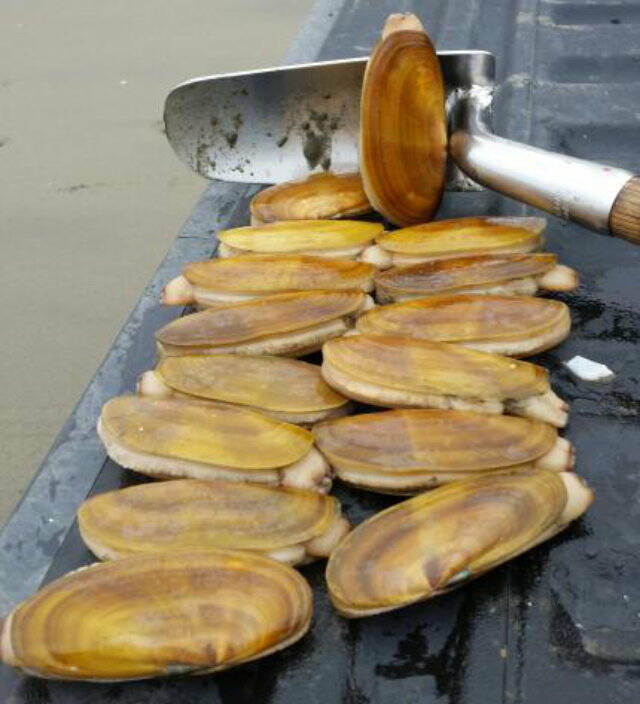
OLYMPIA — Washington Department of Fish and Wildlife shellfish managers confirmed this week that the final coastal razor clam digs of the season can proceed as planned at Long Beach, Twin Harbors, Copalis and Mocrocks beaches from Thursday through May 6.
“There was lots of successful spring digging during this past tide series, and it is looking like more of the same for the last digs of the season,” said Bryce Blumenthal, WDFW’s recreational razor clam manager. “When this next series is complete, we’ll have dug 15 weeks of low tides totaling 103 harvest days and 309 individual digs (on all four coastal beaches) since the season began on Oct. 6, 2025.”
Copalis and Mocrocks beaches are not open every day during each dig series, so be sure to check which beach is open before heading out.
The following digs will proceed as scheduled during morning (midnight to noon only) low tides:
• Thursday, 6:26 a.m.; -0.3 feet; Long Beach, Twin Harbors, Mocrocks.
• Friday, 7:01 a.m.; -0.7 feet; Long Beach, Twin Harbors, Copalis.
• Saturday, 7:35 a.m.; -0.8 feet; Long Beach, Twin Harbors, Copalis.
• Sunday, 8:08 a.m.; -0.8 feet; Long Beach, Twin Harbors, Mocrocks.
• Monday, 8:43 a.m.; -0.7 feet; Long Beach, Twin Harbors, Mocrocks.
• Tuesday, 9:21 a.m.; -0.4 feet; Long Beach, Twin Harbors, Copalis.
• May 6, Wednesday, 10:03 a.m.; -0.1 feet; Long Beach, Twin Harbors, Copalis.
Most successful digging occurs between one and two hours before the listed time of low tide.
On all open beaches — Long Beach, Twin Harbors, Copalis and Mocrocks — the daily limit is 15 clams per person.
WDFW plans to announce tentative digging opportunities in early fall for the 2026-27 season on the department’s razor clam webpage.
Kalaloch Beach remains closed to harvesting this season, as clams there remain small and low in numbers.


Best of Olympic Peninsula