Flowers for Tokitae: Remembering Puget Sound’s captured orcas
Published 1:30 am Tuesday, August 21, 2018
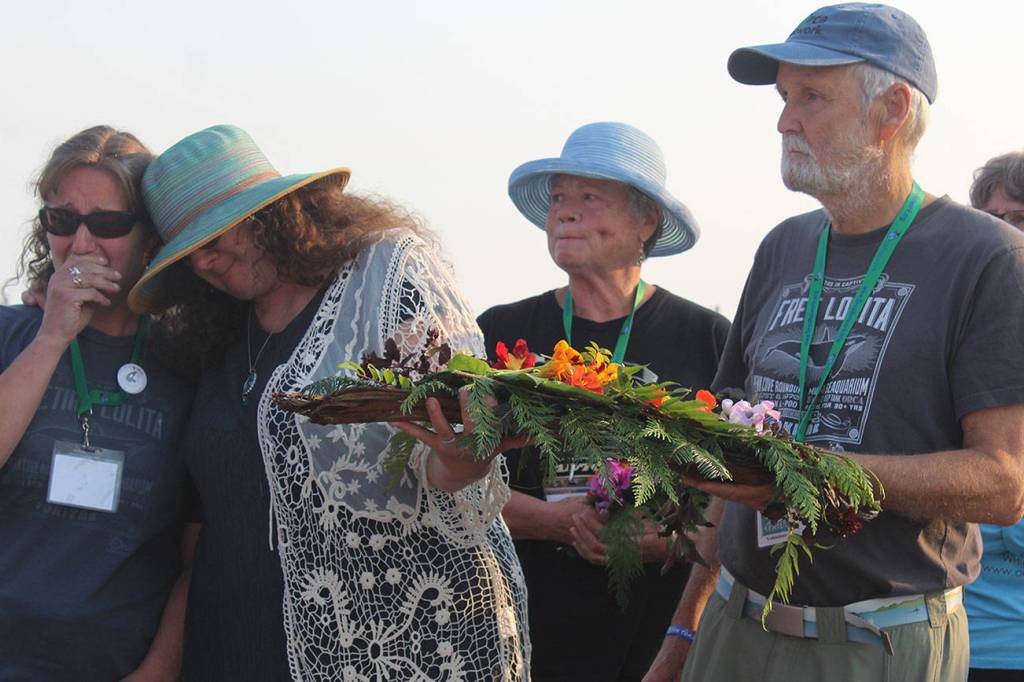
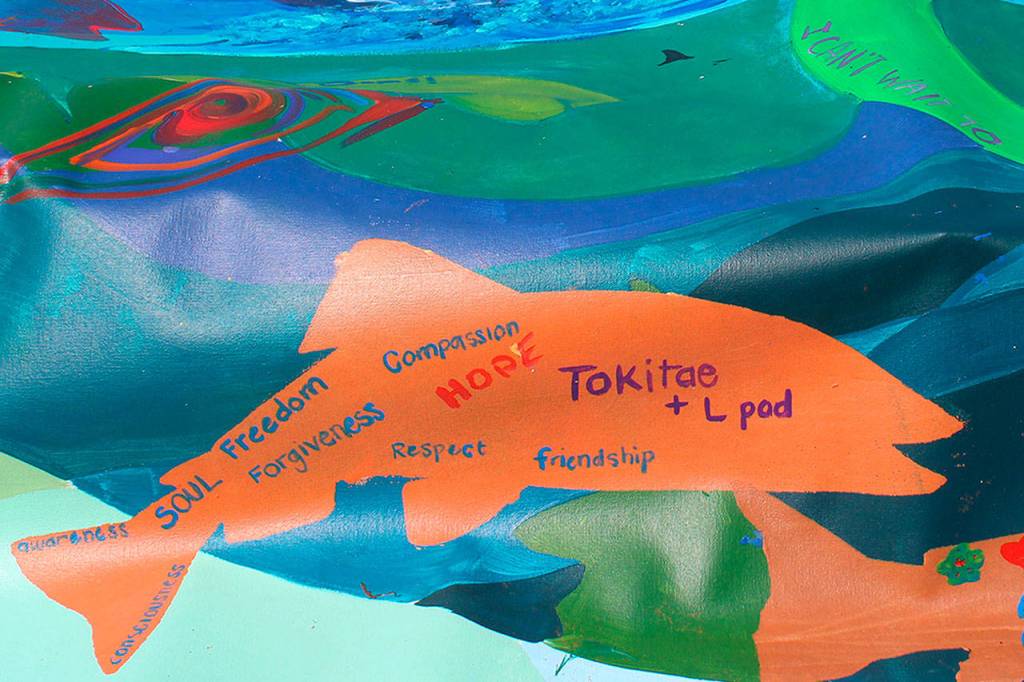
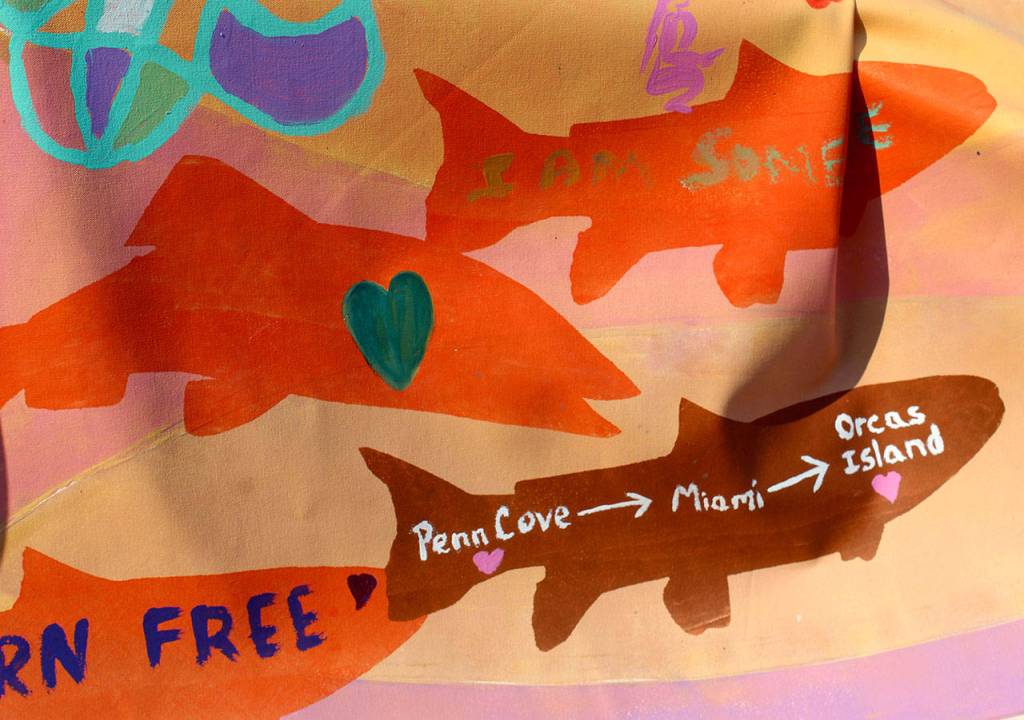


COUPEVILLE — Once again, Howard Garrett tells the heart-wrenching story.
“This was the scene of the tragedy for the whales,” the orca researcher and activist begins, pointing to the curving end of Penn Cove. “It looked much like it does today, only San de Fuca dock was operating as a fuel stop.
“They knew their young were going to be taken. They knew it because they’d been through it five years before.”
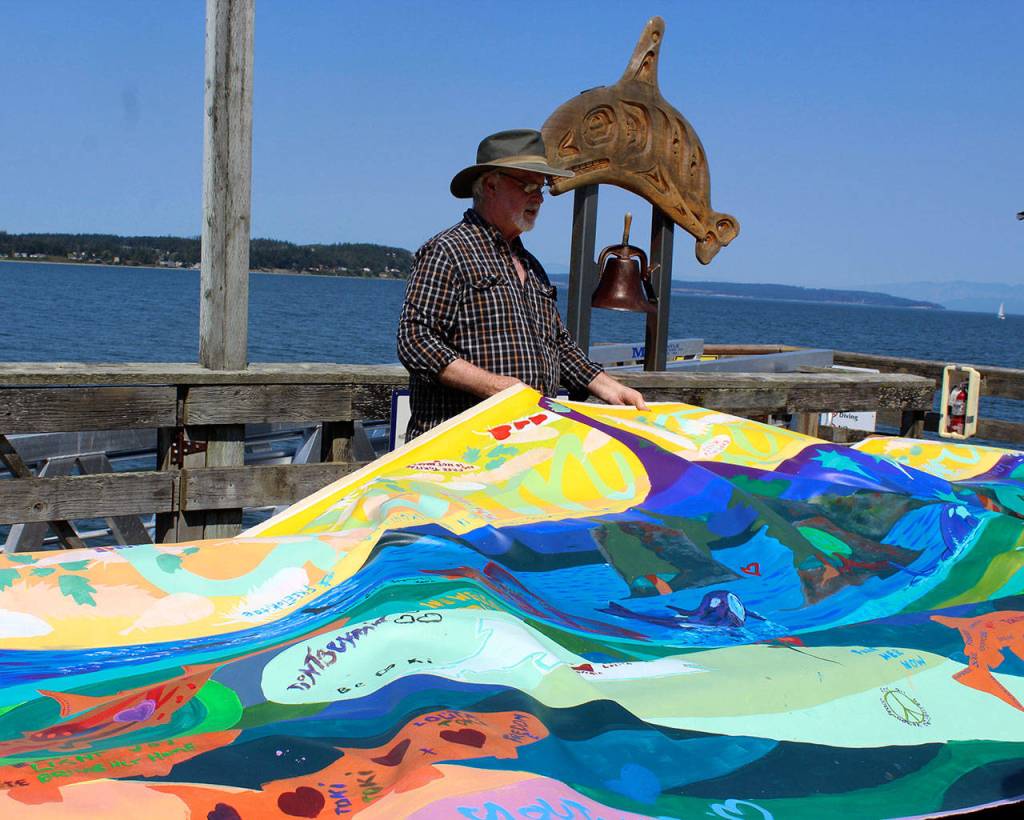
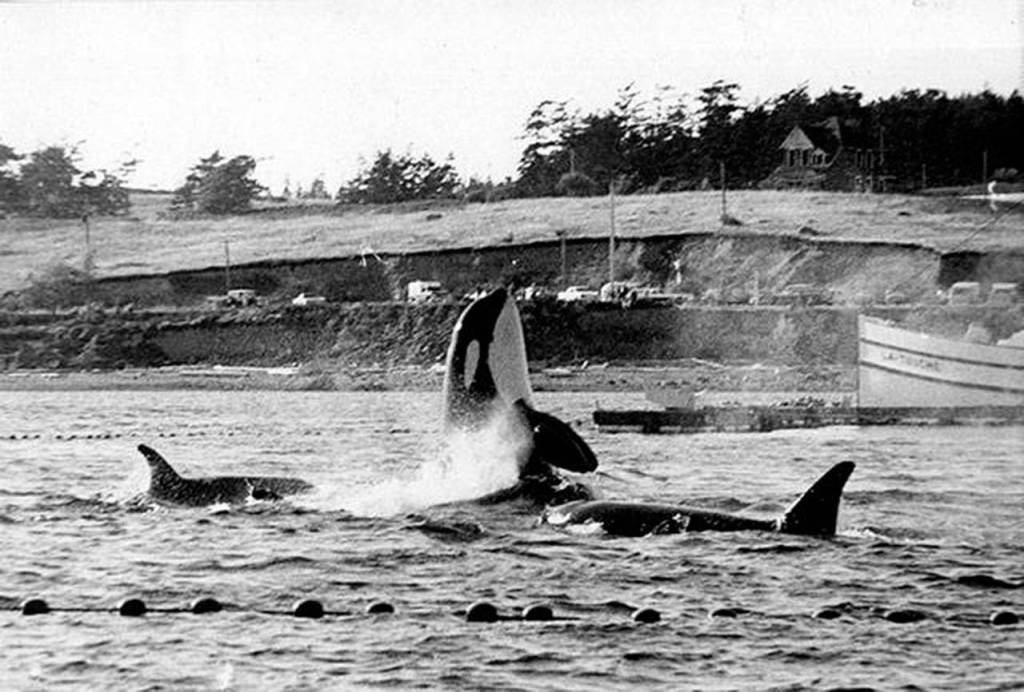
Garrett, co-founder of the Orca Network, addresses the solemn group aboard the 70-foot schooner, Suva. Whidbey Island’s historic charter sailboat is anchored at the spot where killer whales were legally herded and corralled into nets during several round-ups in the late 1960s and early ’70s.
The Whidbey Island-based orca awareness group’s “Bring Tokitae Home” event happened to fall on the same week that the plight of Puget Sound’s resident J, K, and L orca pods suddenly gained global attention. Tokitae is the last survivor of the Penn Cove captures.
The news of Tahlequah, or J35, swimming with her dead newborn for days on end transfixed the world and kick-started a newly-formed state whale task force. Biologists also made the news with their plans to try to help feed another orca, J50, who appears sick and malnourished.
What’s happening now began 50 years ago when people decided killer whales weren’t killers after all but intelligent and trainable marine mammals, Garrett said during the Suva cruise. The pods never rebounded.
“SeaWorld in 1966 got the first orca named Shamu, and then marine parks were eager for more,” he said.
“Everyone wanted more. They ended up in Japan, France, Australia and, of course, Miami.”
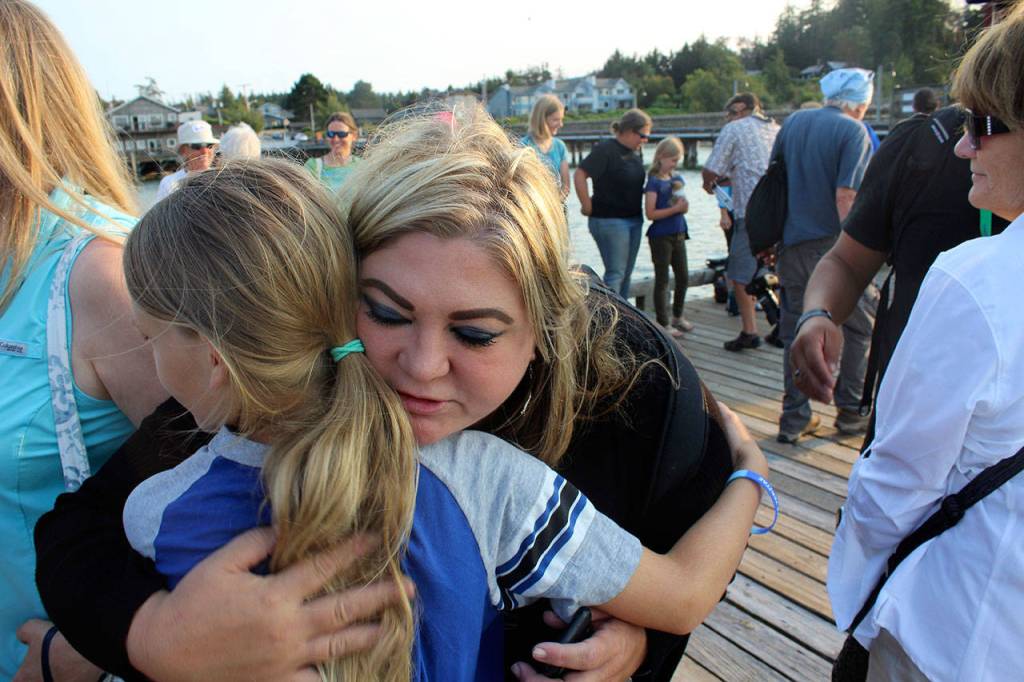
Michelle Seidelman, an Oregon resident and member of the Portland chapter of the Sea Shepherd Conservation Society, attends the orca memorial every year.
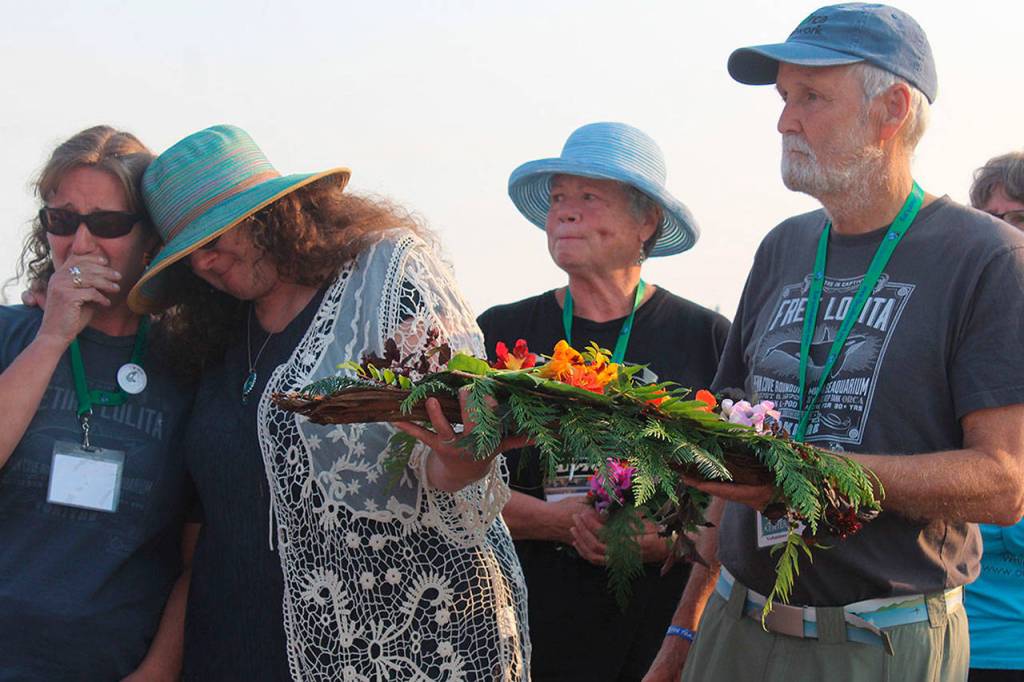
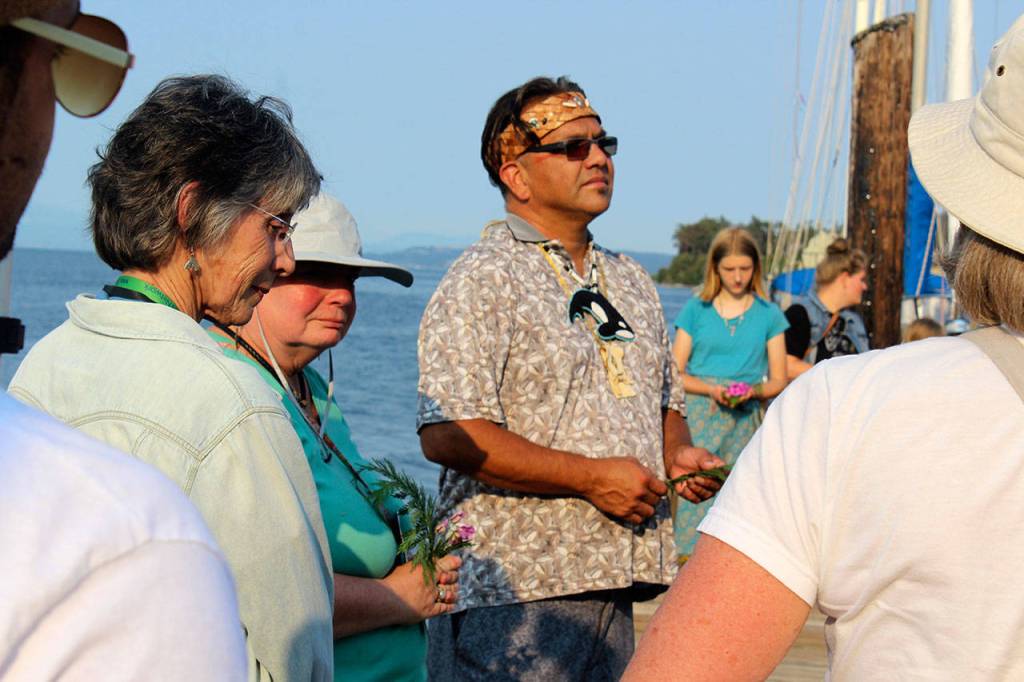
She knows the sad story and the seaside ceremony — tossing flowers, cedar boughs and a wreath overboard to honor dozens of Puget Sound resident orcas who either were killed while being trapped or lived and died as aquarium entertainers.
She vowed with dozens of others to bring Tokitae home to “retire” in a sea pen off Orcas Island.
Seidelman also attended a southern resident Killer Whale Recovery and Task Force meeting that week in Wenatchee.
“It’s heartbreaking,” she said of the weeks-long sight of the mother orca carrying her dead newborn. “She’s doing everything to beg us to put them first. What more can they do? They don’t speak English, they’re showing us.”
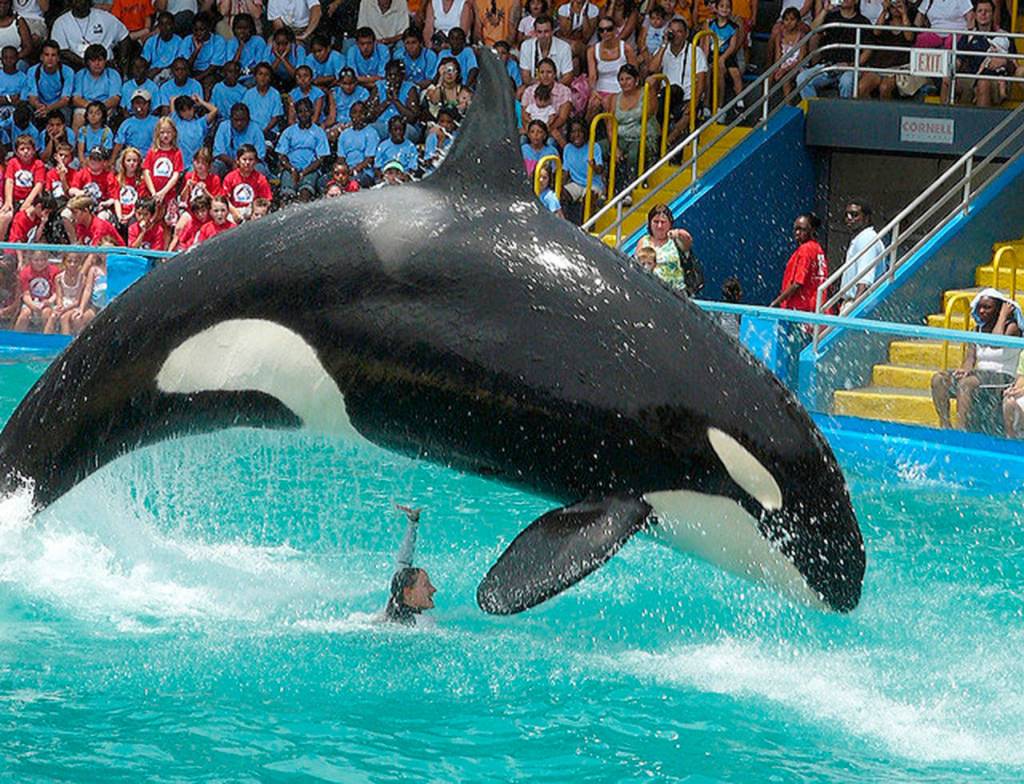
Tokitae, now a 21-foot, 7,000-pound captive orca, has lived the past 48 years in a 80-foot by 35-foot concrete tank at Miami Seaquarium. She performs two shows a day, seven days a week.
Called Lolita, her orca tank mate, Hugo, died of a brain aneurysm in 1980 after repeatedly bashing his head against the concrete tank wall.
Since 1998, the Orca Network has held the memorial Aug. 8, the day Tokitae and six other southern resident orcas were taken, and four babies and a mother, caught in herding nets, drowned.
In an effort to hide the deaths of the young, their stomachs were slit and loaded with rocks and anchors but they washed up on Whidbey beaches weeks later.
Many witnessed the 1970 event. “Traffic was stopped on Highway 20. People lined the bluffs and watched,” Garrett said. “The whales were vocalizing so loud, it was heard for miles. That happened in 1970, and they did it again in 1971.”
Herding killer whales into nets using explosives, speedboats and airplanes was legal with a state permit until 1973. Three years later, a count of remaining southern resident orcas revealed that one third to one half had been removed in captures, all of them younger whales.
By the mid-1990s, the population slowly climbed to nearly 100.
Now it’s dwindled to 75.
They are stressed, they are starving, they are dying.
And they can’t sustain a new life.
Researchers, environmentalists and tribes have predicted for years that declining salmon runs, ship and recreational boating noise and toxic pollutants are dooming an already endangered species. For decades, they’ve advocated for removal of four dams on the Snake River that thwart chinook salmon’s spawning process.
Had the calf born July 24 survived, it would have been the first successful birth in three years within the residents’ three family pods.
But it lived less than one hour.
Orcas are having difficulty reproducing because they don’t have enough to eat. Two-thirds of pregnancies ended in miscarriage, a recent University of Washington study found.
Researchers called it “unusual but not unprecedented” when the mother swam around for two days balancing the lifeless baby on her forehead and pushing it above the surface of water. By two weeks, one photo relayed what decades of studies and warnings never could. After 17 days, she finally abandoned the dead calf and went back to feeding with her pod.
“It certainly is a message, whether she knows it or not,” said Freddie Lane, tribal councilman of the Lummi Indian Nation who attended the Orca Network event. “There is a new world awareness she is generating by her affection for her baby. She [couldn’t] let go.
“It tells us so much. It tells us that what happened here 48 years ago when they were ripped apart from their home and their family was only the beginning.”
Last year at the ceremony, the Lummi Nation launched a campaign to bring Tokitae back to the Salish Sea, her family and the “place in her heart.”
“They’re not killer whales. They’re not black fish. They’re our relatives, the people that live on the bottom of the ocean,” Lane said. “Whether you believe it’s true, that’s our belief.”
This May, the tribe completed a 9,000-mile, 27-day Tokitae Totem Pole Journey from Bellingham to Miami. They held many rallies along the way with a 16-foot whale totem pole carved by brothers Jewell and Douglas James.
Lummi officials have sent several letters to Miami Seaquarium executives demanding Tokitae’s release.
The retirement plan would use a team of veterinary and scientific staff to transition Tokitae.
Seaquarium, however, has repeatedly denounced the plan and predicted the whale will die in transport or from suddenly being placed in open water.
“We will not allow her life to be treated as an experiment, and we will not jeopardize her health by considering such a risky move,” Eric A. Eimstad, Seaquarium general manager, said in a statement earlier this year.
“Instead of focusing on a perilous move that could endanger the life of Lolita, the attention of those concerned should be on the plight of the killer whales of Puget Sound, near the home of the Lummi Nation,” he stated. “Over the past 23 years, the southern resident killer whale population has declined by an alarming 22 percent.”
The tribe’s next step could be invoking its sovereign nation status and right to Tokitae in court, claiming the whale was taken from ancestral waters without its permission.
Some speculate recent news about the endangered orcas may lead more people to get involved in the Free Lolita campaign.
“From the beginning, it was never just about Tokitae,” said Susan Berta, who co-founded the Orca Network with Garrett in 2001. “We started educating people about the pods back when there were almost 100 of the family alive.
“I never thought that 20 years later, we’d still being doing this, and that she’d be alive and healthy. This is going to be the year that we bring her home.”