
Teaming up and slowing down
Published 1:30 am Friday, May 22, 2026
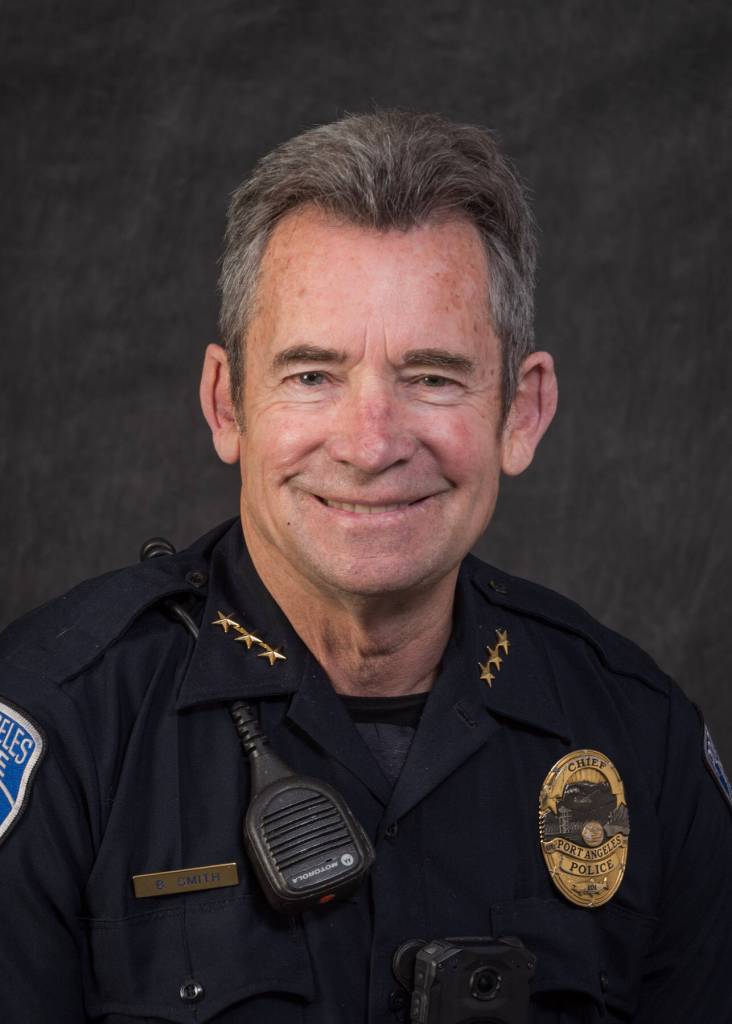
I BEGAN MY law enforcement career in 1981. Ronald Reagan was president, and the nation watched the first Space Shuttle launch and return safely. I patrolled near Highway 101 and the Golden Gate Bridge in Marin County, Calif.
Compared to today, I had much less in terms of training, equipment and actual awareness of the physical danger sometimes lurking.
I was not issued body armor, carried no patrol rifle or shotgun, and relied on a .357 revolver, a baton, chemical mace, verbal skills and some basic open-hand techniques when things got rough.
A warrant, suspended license or any illicit drug possession nearly always meant a physical arrest.
Nighttime traffic stops were almost always solo.
That year, 208 law enforcement officers were killed in the line of duty nationwide, 95 by gunfire, according to the Officer Down Memorial Page.
Compare that to 2025, when 111 officers lost their lives — 75 to gunfire. That represents a 25 percent drop from 2024 and the lowest total in 80 years.
The progress is undeniable.
Training, equipment, tactics and our understanding of human behavior have advanced dramatically.
Washington state has led the way with formal de-escalation training, an emphasis on operating from a position of advantage, and the widely adopted principle of “team up and slow down.”
Officers now receive universal training in life-saving medical techniques. These changes have made the job safer for everyone involved.
Yet these improvements come with a cost. Modern policing demands significantly more time, resources and staffing. Every interaction now involves higher standards of documentation, accountability and community engagement. What once might have been a quick field resolution now often requires extended de-escalation efforts, multiple officers for safety and thorough reporting.
The result is that fewer officers are available for proactive patrol at any given moment.
This challenge is especially acute in Washington, which has ranked dead last in the nation in law enforcement staffing for the past 15 years.
We are being asked to do more — much more — with less.
The public rightly wants proactive policing, visible officer presence, community-oriented programs and rapid response.
They expect professional de-escalation, constitutional policing and compassionate service.
Officers today deliver all of this while managing heavier caseloads, more complex calls and under elevated scrutiny.
We have embraced modern tools and technology to stretch our capabilities further. But technology cannot replace officers on the street.
Chronic understaffing means longer response times, fewer community engagements and increased pressure on the men and women who remain on duty.
As Police Week concludes, I reflect on how far we have come and the real-world tradeoffs we face.
Our officers are ordinary people performing an extraordinary job.
They confront danger daily, adapt to evolving standards and continue to serve with pride, despite working in the most understaffed environment in the country.
Washington law enforcement has weathered significant challenges in recent years, yet I remain optimistic. I am deeply proud of the professional women and men who wear the badge — proud of their growth, their resilience and their commitment.
In 2026, I hope for honest conversations about these realities. Supporting adequate staffing is not about nostalgia for 1981; it is about giving today’s officers the resources to meet the higher standards our communities now expect.
We are already doing more with less. With community understanding and support, we can do it even better.
________
Brian Smith is the Port Angeles Police Chief.


Best of Olympic Peninsula