
Hope takes root: The Olympic Peninsula’s Hope Navigators begin their work
Published 1:30 am Wednesday, May 20, 2026
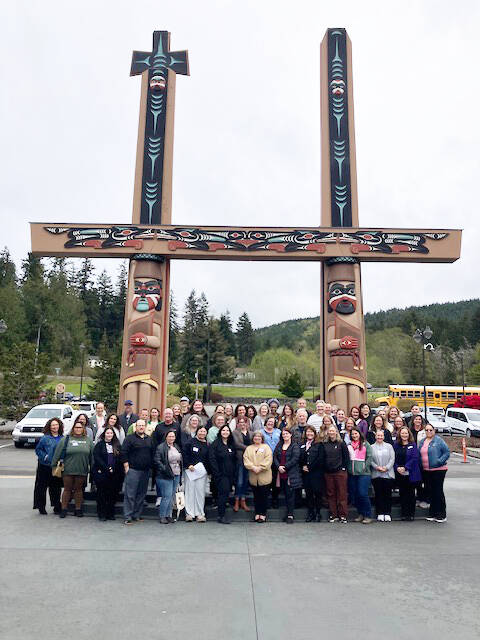
SOMETHING REMARKABLE IS happening on the Olympic Peninsula. Fifty community members — from school counselors and healthcare workers to nonprofit leaders and city staff — gathered this spring for 12 hours of intensive training built on a simple but powerful idea: Hope is not just a feeling. It is a skill that can be taught, practiced and spread.
The Hope Navigator Training Cohort was supported by the Olympic Community of Health and born from the shared vision of Hope Rising Washington, Peninsula College and the Clallam Resilience Project. It brought together practitioners and community leaders who share the understanding that hope is not aspiration or wish but a practice — intentionally built, layer by layer, into the care we offer people and the culture of our organizations.
The Science of Hope, developed by researchers at the University of Oklahoma’s Hope Research Center, reframes hope around three components: setting meaningful goals, developing pathways to reach them and sustaining the motivation to keep going — even when barriers arise. Research links higher hope to stronger academic outcomes, emotional resilience, improved physical and mental health, and deeper community connection.
Peninsula College has been a cornerstone of this effort — both as a convening space and a committed partner.
“I am so excited to see the Science of Hope work taking off across the North Olympic Peninsula,” said Suzy Ames, president of Peninsula College. “There is tremendous potential to bring the power of hope to the entire community when we are all working together from the same framework.”
The 50 certified Hope Navigators now represent a true cross-section of Olympic Peninsula life — school districts, behavioral health agencies, faith communities, fire departments and youth organizations. They have committed to designing real projects within their own organizations and gathering monthly through October 2026 to deepen their practice and support one another.
For the Port Angeles School District, the work is already taking shape.
“We are excited to begin this work,” said Melissa McBride, Stevens Middle School principal, Port Angeles School District. “Our support team is undergoing Hope Navigator training and will be incorporating what we learn in projects that will be rolled out during the 2026-27 school year. These projects will impact how we support students and families with attendance, academics and behavior. Being able to guide students in understanding their goals, identifying pathways to achieve them, providing nurturing within the school system to help students access these pathways and harness their own willpower to keep going — even when things get tough — will be a powerful way to improve culture.”
The goals Hope Navigators named at the close of their training were both ambitious and deeply human: clearer communication among staff, workplaces where colleagues genuinely thrive, and communities where every person can see a future worth working toward, and organizations are allies to get them there.
Hope will also be accessible to the broader community in the coming weeks. On June 9, the Washington Association of Nonprofits and Olympic View Community Foundation will host “Olympic View Community Foundation Nonprofit Grantmaking for the West End” at Peninsula College in Forks from 11 a.m. to 1 p.m., featuring a Hope Awareness Building talk. At 12:30 p.m. on June 13, the Port Angeles Fine Arts Center’s Summertide Poetry Cafe will offer another opportunity to gather in the spirit of hope and poetry.
The next Hope Navigator Community of Practice meets May 26 at Peninsula College.
What began as an idea grew into a training and is now being woven into the fabric of the Peninsula — with 50 navigators, 22 entities, one shared goal: community wellbeing.
For more information, contact Minnie Whalen at clallamresilience@gmail.com.
________
Minnie Whalen is the director of Clallam Resilience Project and Hope Ambassador.


Best of Olympic Peninsula