Building collective hope on the Olympic Peninsula
Published 1:30 am Friday, April 10, 2026
DID YOU KNOW that one of the strongest predictors of well-being is hope — and that it can be nurtured?
In January, more than 400 people across the Olympic Peninsula came together to explore hope — not as a feeling, but as a science and a practical framework for action.
At a series of regional events with hope researcher Dr. Chan Hellman, Ph.D, participants learned how the Science of Hope can strengthen our communities.
Hope has three key components: setting meaningful goals, identifying pathways to reach them and sustaining the motivation to keep moving forward even when obstacles arise.
Across the Olympic Peninsula, we face rising youth mental health concerns, substance use impacts, workforce strain and systems that often operate in isolation. The Science of Hope provides a shared, research-backed framework to align our efforts, strengthen resilience and guide practical solutions.
When hope is intentionally nurtured, its benefits are far-reaching. Individuals experience improved mental health, stronger emotional regulation, healthier coping strategies and even better physical health outcomes, including greater pain tolerance and adherence to treatment.
Hope also strengthens social health, fostering higher civic engagement and connectedness, and supports educational outcomes such as attendance, GPA and graduation rates.
Perhaps most importantly, hope can be taught. Programs grounded in the Science of Hope give people tools to set goals, find pathways forward and cultivate confidence to navigate challenges. For the adults who serve our communities, hope-centered practices can reduce burnout, strengthen resilience and support workforce retention.
Over the past several years, entities and residents across Clallam and Jefferson counties have collaborated through the Resilience Project, a regional consortium that is fiscally sponsored by the Olympic Peninsula YMCA and brings together sectors to coordinate action, share learning and build collective impact.
In January, 54 organizations participated in Collective Hope events, with surveys showing that 97 percent are interested in continuing to engage with the Science of Hope.
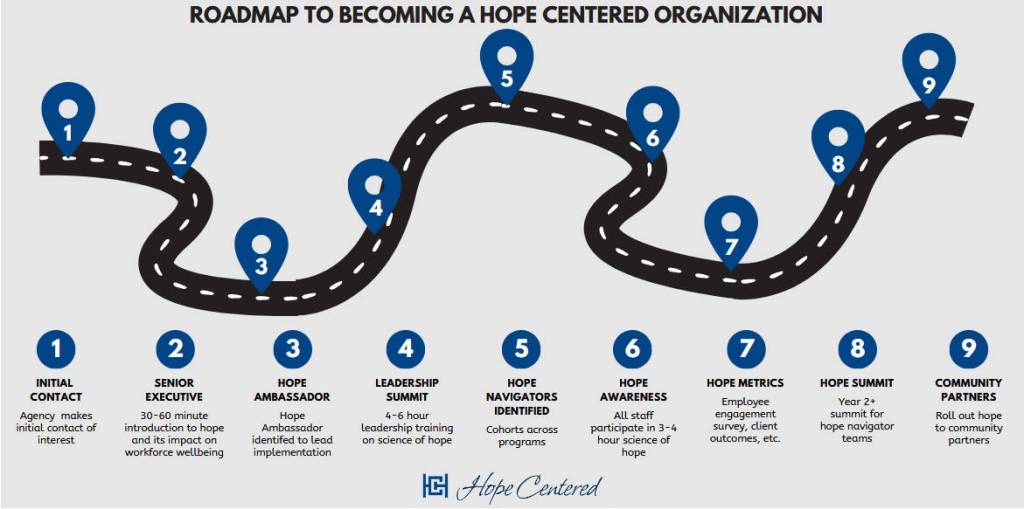
The region is ready to move from conversation to action. Upcoming events include a Hope Navigator training supported by Olympic Community of Health involving 22 partners and Hope Leadership training for Port Angeles School District staff. Multiple events are being designed to equip professionals, community leaders and residents with practical tools and a shared framework to strengthen resilience across the Olympic Peninsula.
Visit www.clallamresilience project.org to learn more.
By intentionally cultivating hope, we provide more than inspiration. We create a practical framework for building pathways for people, stronger systems and a more resilient community.
Together, we can turn hope into action — and make a lasting difference for our region.
________
Minnie Whalen is the director of Clallam Resilience Project.