
Sponsored Content
What to do after a fall, even if you think you’re fine
Published 7:58 am Monday, July 27, 2026
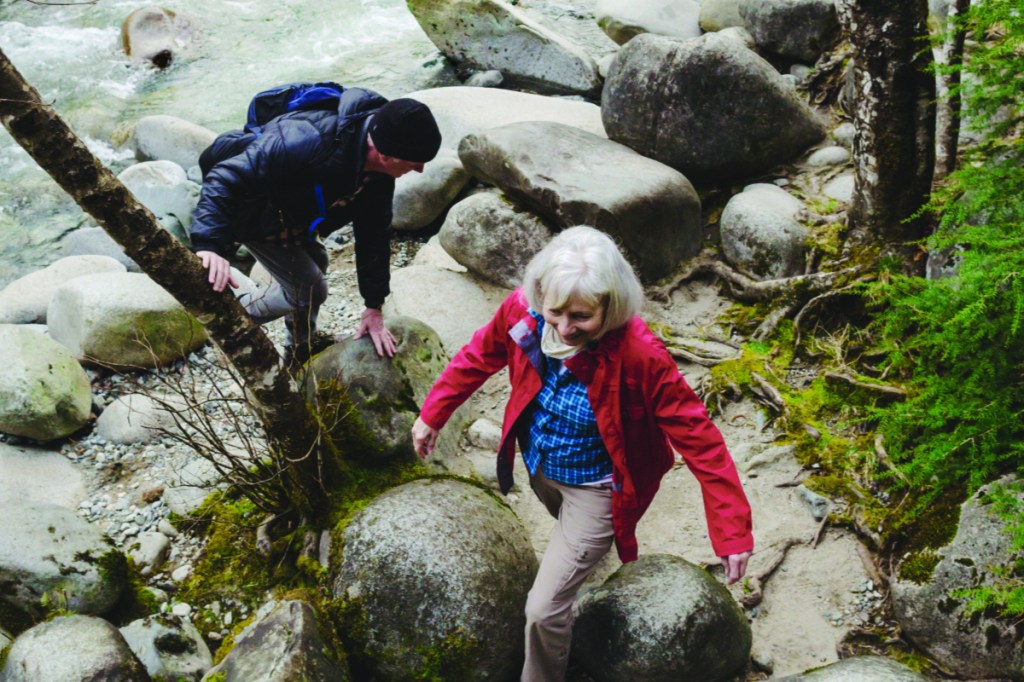
Most of us have taken a tumble at some point. Maybe you tripped on a tree root while walking a trail, slipped on a wet deck, or lost your footing while carrying groceries. Often, our first reaction is to brush ourselves off and move on.
But even when a fall seems minor, it’s worth paying attention to how your body feels in the hours and days that follow.
Take a moment before getting up
If you fall, avoid getting up immediately. Take a few deep breaths and assess how you’re feeling. Ask yourself:
- Do I have pain anywhere?
- Can I move my arms and legs normally?
- Am I feeling dizzy or lightheaded?
- Did I hit my head?
If you feel significant pain, have difficulty moving, or suspect a serious injury, seek medical attention right away.
Watch for delayed symptoms
Not all injuries are obvious immediately after a fall. In fact, soreness, swelling, and bruising can take hours, or even a day or two, to fully appear. Pay attention to symptoms such as:
- Persistent pain
- Swelling around a joint
- Difficulty walking
- Reduced range of motion
- Shoulder, hip, knee, or wrist discomfort that doesn’t improve

Orthopedic surgeon Edward Eissmann, MD, FACOS, FRCS, with Jefferson Healthcare. Photo by Sarah Wright Aubin
Don’t ignore head injuries
Even a seemingly minor bump to the head can be serious. Seek medical attention if you experience any of these symptoms:
- Headache that worsens
- Nausea or vomiting
- Confusion
- Dizziness
- Difficulty concentrating
- Unusual fatigue
Falls can reveal underlying issues
Sometimes the fall itself isn’t the biggest concern. Balance problems, muscle weakness, joint pain, vision changes and certain medications can all increase the risk of falling.
For many adults, especially those over age 50, a fall can serve as an important reminder to evaluate overall health and mobility.
- Stay physically active
- Strengthen leg and core muscles
- Wear supportive footwear
- Keep walkways clear of clutter
- Schedule regular vision exams
Staying Active and Independent
One fall doesn’t have to keep you from doing the things you enjoy. Whether it’s tending your garden, walking your dog, hiking or spending time with grandchildren, maintaining mobility is an important part of staying healthy and independent.
To learn more about orthopedic services at Jefferson Healthcare or to schedule a consultation, visit JeffersonHealthcare.org or speak with your primary care provider.
About Jefferson Healthcare
Jefferson Healthcare’s Orthopedic Clinic has earned the prestigious Advanced Hip and Knee Replacement Certification from DNV, an internationally recognized healthcare certification organization, recognizing our exceptional standards in orthopedic surgery related to hip and knee replacement care. Learn more at JeffersonHealthcare.org.