Olympic National Park officials plan more mountain goat roundups
Published 1:30 am Friday, June 21, 2019
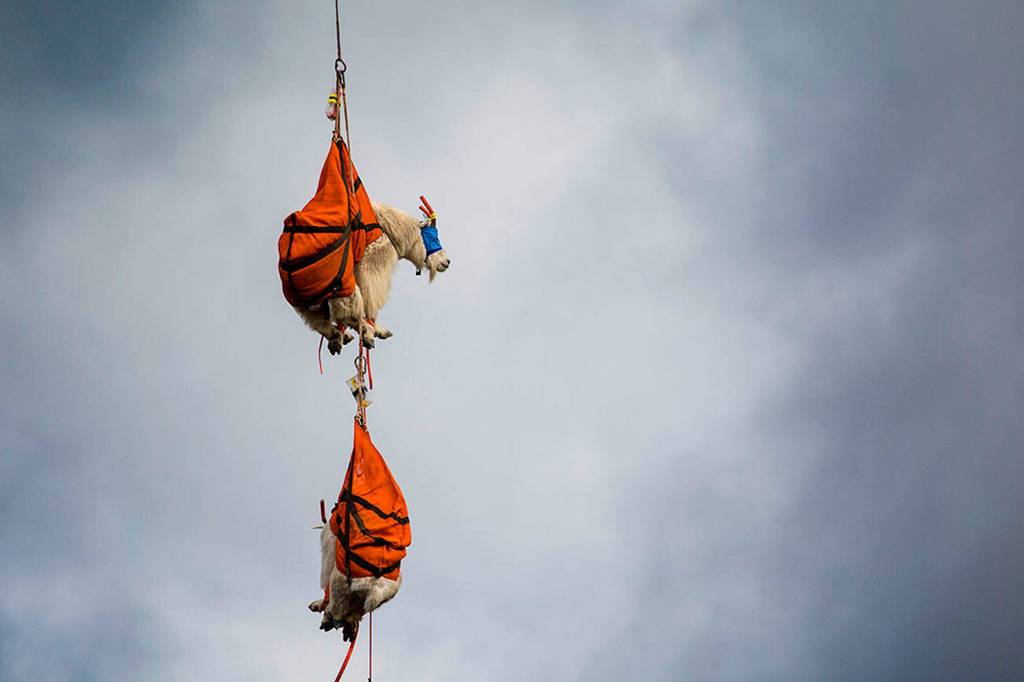
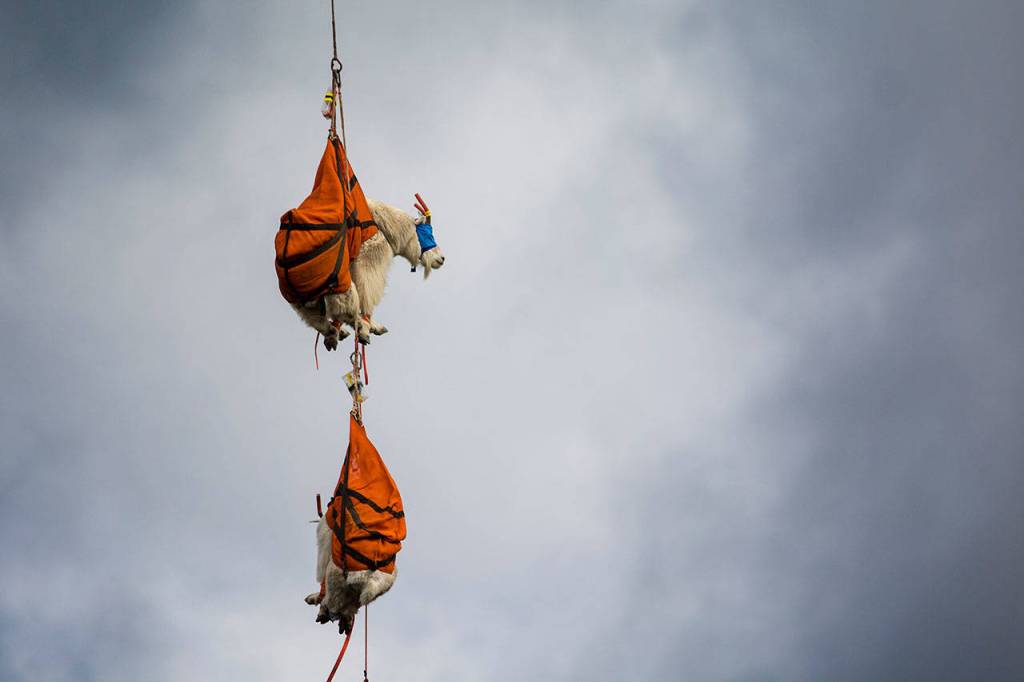
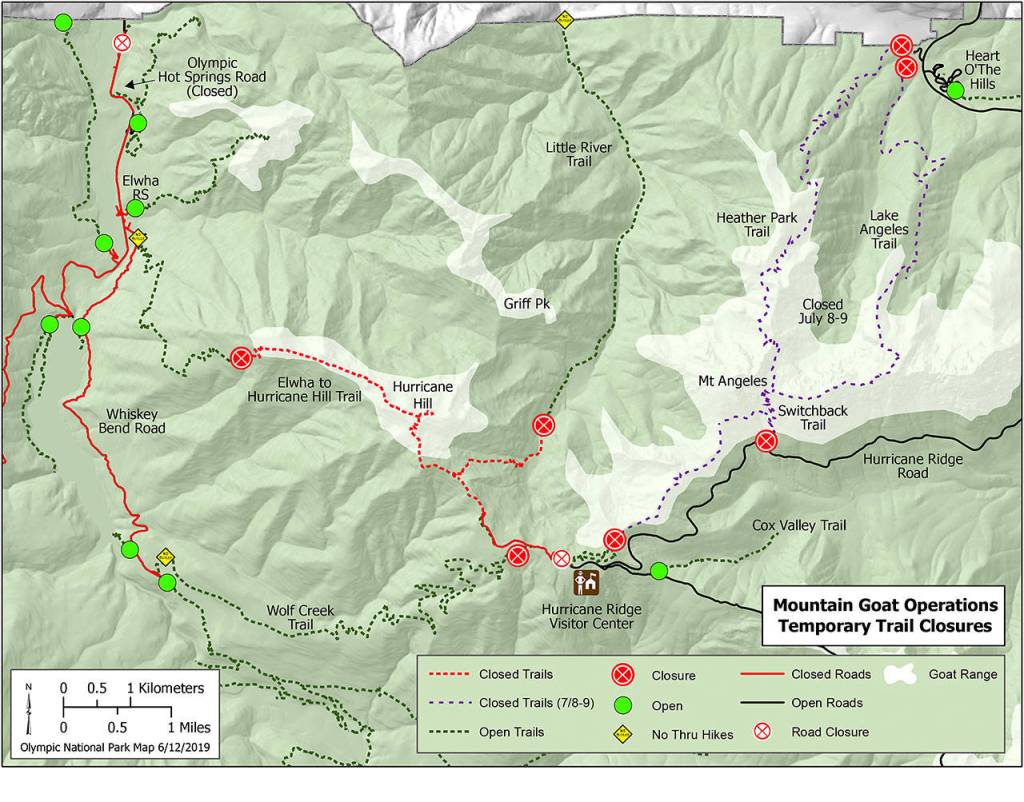


OLYMPIC NATIONAL PARK — Goats will fly again at Olympic National Park this summer as the National Park Service continues to transport mountain goats to their native habitat in the North Cascades.
Operations to move as many as possible of the estimated 700 mountain goats began last year. Using helicopters, tranquilizer darts, nets and refrigerated trucks, crews were able to remove 115 mountain goats from the park in September.
This summer, two operational periods will have visitor impacts throughout the park. They are July 8-19 and Aug. 19-30, said Penny Wagner, Olympic National Parks spokesperson.
Hurricane Hill Road, beyond the Hurricane Ridge Visitor Center parking lot, will be closed to all access during the operational period, including the Hurricane Hill Trail, Little River Trail and Wolf Creek Trail.
The Klahhane Ridge area will be closed temporarily on July 8-9 for visitor and employee safety during capture operations, Wagner said.
Areas of the Seven Lakes Basin, High Divide, Heart Lake and Hoh lake to Cat Basin will be closed to overnight camping July 7-11.
During the August removal period, the Mount Ellinor trail system and Forest Road 2419 to Mount Ellinor near Hamma Hamma will be closed to the public.
The five-year relocation is a joint effort by the National Park Service, the state Department of Fish and Wildlife, the U.S. Forest Service and area tribes.
The goats were introduced to the Olympic Peninsula as game animals in the 1920s before Olympic National Park existed. That population grew to about 1,000 animals, though it is estimated there are now about 600 goats in Olympic National Park.
Officials say the goats impact the fragile alpine and sub-alpine ecosystem and that they have become too comfortable around humans.
Some goats have become aggressive in their search for salts in human urine and sweat.
Bob Boardman, a Port Angeles man, was killed by a goat that gored him as he hiked Klahhane Ridge in October 2010.
The National Park Service has contracted with a private company, Leading Edge Aviation, which specializes in the capture of wild animals.
Capturing goats requires a helicopter crew that flies as close as possible to the goats, sometimes within 30 feet.
The gunner on the helicopter makes a decision to either shoot a tranquilizer dart or a net at the goat, a decision that is partly based on how steep the terrain is.
Then a crew member exits the helicopter and blindfolds the goat to reduce stress before putting it on a sling to be flown to a landing spot on Hurricane Ridge.
There, the goats are loaded into the back of a truck to be transported to processing, where veterinarians examine them before they are transported to the North Cascades.
Crews will not be able to capture all of the goats. Those that can’t be captured will be shot and killed.
The park plans to use volunteers to kill the goats that can’t be captured, though it hasn’t established a process for that yet.
During September’s efforts 115 mountain goats were removed from the park. Of those, 98 were transported to the North Cascades and six orphans were transferred to Northwest Trek Wildlife Park.
There were six adult deaths, including two goats that died during transport on the first day and three goats that were killed because they were “unfit for translocation.”
One adult male that had been monitored had reports of aggressive encounters with visitors.
State Fish and Wildlife released mountain goats at five sites in the Cascades with the help of tribal and university biologists, and of Hi-Line Aviation of Darrington.
Two of the release areas were near mountain peaks south of the town of Darrington, on the Darrington District of the Mount Baker-Snoqualmie National Forest.
The others sites were located northwest of Kachess Lake (just south of the Alpine Lakes Wilderness) in the Okanogan-Wenatchee National Forest, Tower Peak in the Methow area of the Okanogan-Wenatchee National Forest, and the headwaters of the Cedar River Drainage, which is land owned by Seattle Public Utilities.
________
Reporter Jesse Major can be reached at 360-452-2345, ext. 56250, or at jmajor@peninsuladailynews.com.