Navy records plan for sonar, explosives training in area waters
Published 1:30 am Monday, November 14, 2016
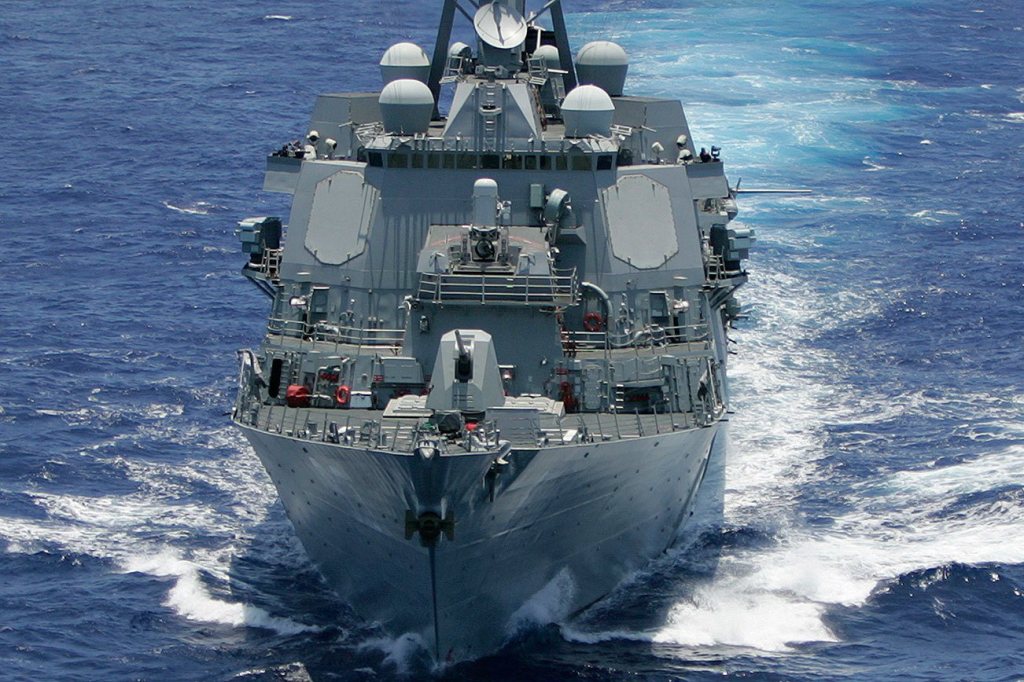
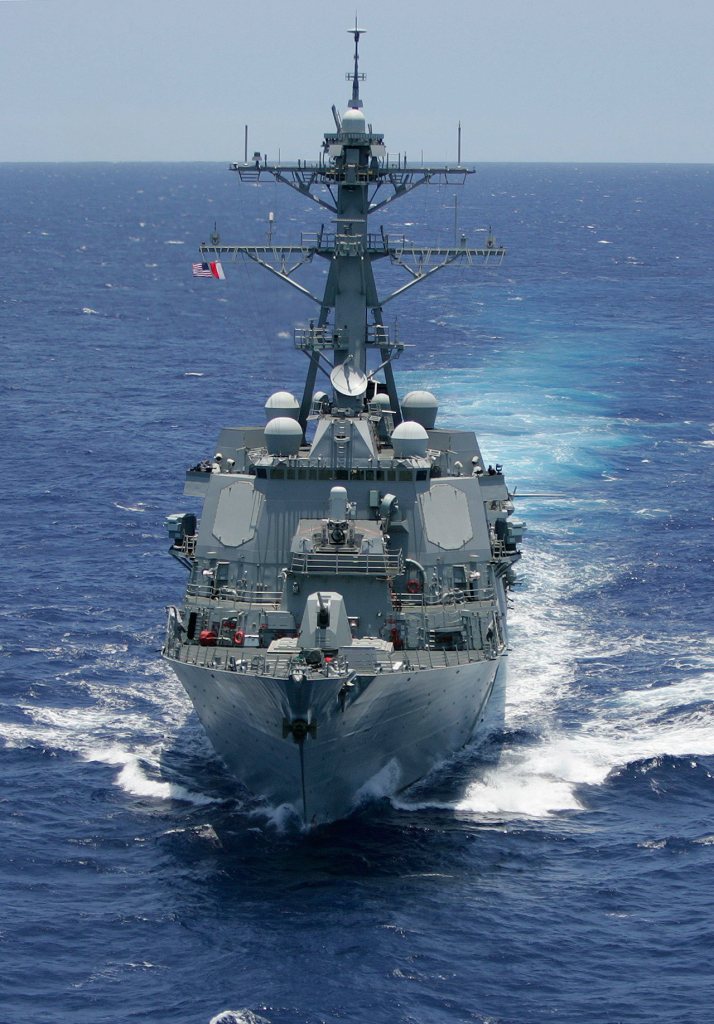
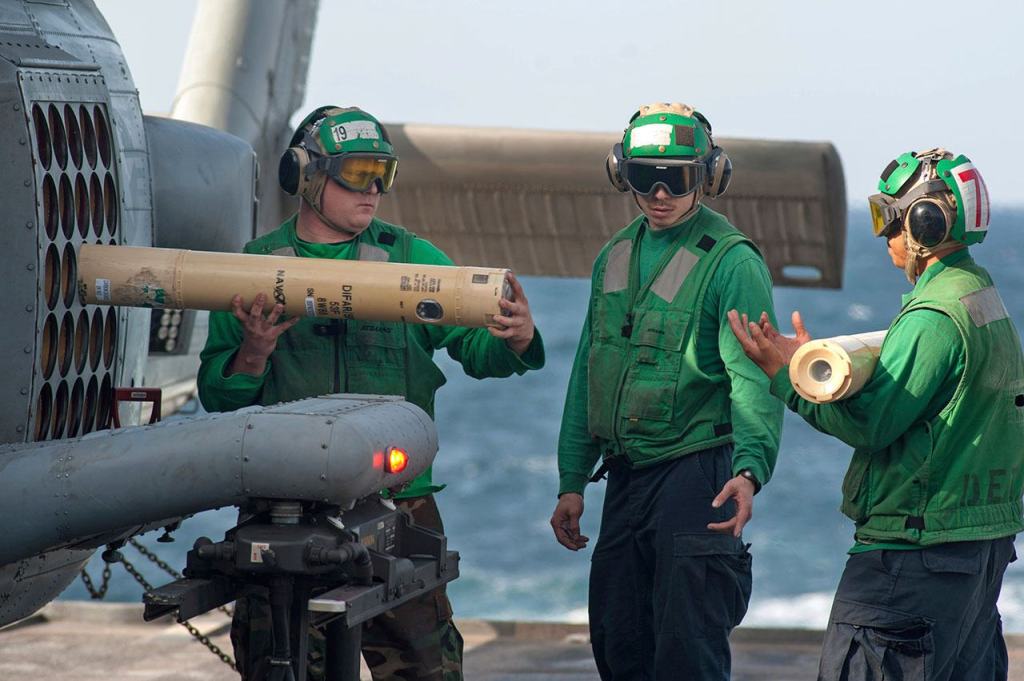
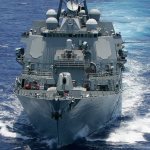
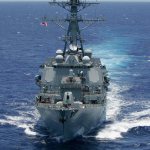
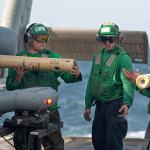
SILVERDALE — The U.S. Navy has announced its decision for use of sonar and explosives for training and testing in the Puget Sound, Strait of Juan de Fuca and Behm Canal in southeast Alaska.
The Navy announced this month that officials had signed a record of decision to go with its preferred alternative — Alternative 1 — which includes new training exercises every other year off the North Olympic Peninsula coast and mine warfare exercises every year in the Puget Sound in support of homeland defense.
It also would include the testing of undersea systems in Puget Sound, testing activities in the Carr Inlet between Key Peninsula and Gig Harbor Peninsula, pier-side sonar maintenance and testing, sea trials as part of ship overhauls and the elimination of sinking exercises in all Pacific Northwest areas.
In December, the Navy had issued a supplement to the draft document that included an updated requirement for increased use of sonobuoys during training in the Northwest Training Range Complex.
The training zone includes areas off the North Olympic Peninsula’s Pacific Coast — including the Olympic Coast National Marine Sanctuary — off Indian Island and in the Strait of Juan de Fuca.
In commenting on the draft statement, the public expressed the greatest number of concerns — 173 — about the use of sound and sonar devices, the Navy said.
Among the areas the environmental impact statement for the proposal looked at was the effects on marine animals from the training and testing.
The Navy anticipates that neither the use of sonar, other acoustic sources or explosives will cause marine mammal stranding or deaths and that other sounds from training and testing activities would only cause minor temporary changes in the behavior of marine mammals.
The Navy will conduct pre-event planning and training and consult with biologists during maritime homeland defense and security mine countermeasure integrated exercises in the Puget Sound, officials said.
For small boat attack gunnery exercises in and around Naval Station Everett, Naval Base Kitsap Bangor or Naval Base Kitsap Bremerton in Puget Sound, the Navy also will work with biologists to determine the extent of marine mammals that might be present in the area.
Training and testing in inland waters could temporarily impede tribal access to portions of their usual fishing grounds, though the Navy expects disruptions to be infrequent.
The Navy says training and testing will not alter fish or other marine species population levels or the availability of resources for tribal use in the offshore, inland waters and Western Behm Canal.
To develop the environmental impact statement, the Navy conducted nine scoping meetings in March 2012 and eight public input meetings in February and March 2014 at locations that included Quilcene, Oak Harbor, Silverdale and Aberdeen.
It also conducted four public meetings in January 2015 for the development of a supplemental filing.
The record of decision and final Environmental Impact Statement/Overseas Environmental Impact Statement are both available for download at Northwest Training and Testing EIS/OEIS, www.nwtteis.com.
They are also available at the Jefferson County Library at 620 Cedar Ave., Port Hadlock; the Port Angeles Library at 2210 S. Peabody St.; and the Port Townsend Library, 1220 Lawrence St.
________
Reporter Jesse Major can be reached at 360-452-2345, ext. 56250, or at jmajor@peninsuladailynews.com.