In one month, three cities proclaim rights for Southern Resident Orcas
Published 1:30 am Saturday, December 31, 2022


EDITOR’S NOTE: The spelling of Kriss Kevorkian’s surname and specialization has been corrected.
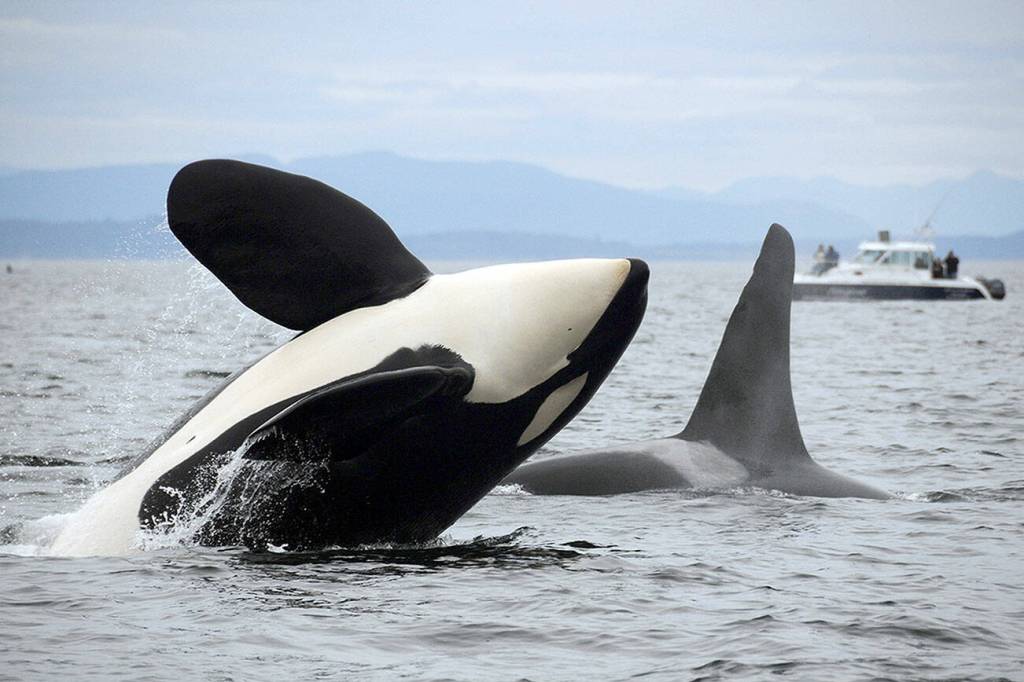
PORT TOWNSEND — This month, three Puget Sound area cities — led by Port Townsend — have issued proclamations declaring inherent rights for the region’s endangered Southern Resident Orcas.
On Dec. 5, Port Townsend became the first city in the U.S. to issue such a declaration, according to the proclamation’s backers, and since then the cities of Gig Harbor and Langley passed similar resolutions.
“Whereas, the Southern Resident Orcas are culturally, spiritually and economically important to the people of Washington State and the world,” Port Townsend’s declaration says, “the rights of the Southern Resident Orcas include, but are not limited to, the right to life, autonomy, culture, free and safe passage, adequate food supply from naturally occurring sources, and freedom from conditions causing physical, emotional, or mental harm, including a habitat degraded by noise, pollution and contamination.”
On Dec. 12, the City of Gig Harbor passed a similarly-worded proclamation and on Dec. 19, the City of Langley on Whidbey Island adopted its own.
The declarations are part of what’s known as the Rights of Nature movement, a legal theory that argues that nature —plants, animals and even whole ecosystems — have inalienable rights similar if not equal to those of human beings
Though containing slightly different wording, all three declarations passed in Washington state this month have the same language about a right to life, autonomy and freedom from harmful environmental conditions. The movement has gained traction globally in the past few decades with laws being passed and court cases being fought and sometimes won.
According to a 2021 article from the Columbia University Climate School, Ecuador became the first country in the world to enshrine the idea in the country’s constitution and in 2017 the concept was legally enshrined in a law passed in New Zealand.
The regional effort has largely been driven by Gig Harbor-based activist Kriss Kevorkian, a thanatologist and founder of Legal Rights for the Salish Sea, a group that’s been trying to promote the idea locally, specifically for the area’s Southern Resident Orca population.
“Rights of nature is really a paradigm shift,” Kevorkian said in an interview, “It’s about the right to a healthy environment.”
Kevorkian acknowledged the idea of extending legal rights to animals and the environment is difficult for many people to understand but noted that many rights for people — like the right to vote or to marry — didn’t exist a few decades ago. In a time of increased environmental decline, it makes sense to extend the right to exist to animals and ecosystems, Kevorkian said.
A proclamation from a local municipality won’t provide much legal coverage, but Kevorkian said she’s hoping to build support for the idea that could one day translate into meaningful action.
“We’d like to see more protection for the Southern Residents,” Kevorkian said. “The Endangered Species Act hasn’t done much.”
The Southern Resident Orca population since 2006 has generally declined and has not shown signs of recovery, with only 73 individuals as of September, according to the Center for Whale Research in Friday Harbor.
“This trend, along with biological condition of the Southern Resident Killer Whale population, acoustic stressors, vessel impacts, the consistently low availability of Chinook salmon, and exposure to contaminants, indicate that this population is facing increasing threats to its survival and recovery,” the U.S. Environmental Protection Agency (EPA) says.
For Port Townsend Mayor David Faber, the proclamation seemed reasonable given how the regional orca population is something of a symbol of the Salish Sea.
Faber said the proclamation carried no real legal mechanism but was a statement of values by the community to hopefully bring attention to the issue.
“We have no jurisdiction (over things impacting the orcas)” Faber said. “It’s intending to draw attention and hopefully get some attention from those who do.”
Faber, a lawyer, also said he didn’t see the Rights of Nature movement as being a significant change from how the legal system already operates.
“The Rights of Nature is sort of a different way of framing externalities. The actions that we take have knock-on effects. There’s tons of examples and the majority of our legal system is based on that concept,” Faber said.
While the regional proclamations may provide no legal support for the Southern Resident Orcas, there are lawyers working on legally establishing rights for the population.
Elizabeth Dunne is a Port Angeles-based lawyer for the Earth Law Center which has been working with Kevorkian’s group, Legal Rights for the Salish Sea.
Dunne said the Rights of Nature movement has been implemented in places that have experienced significant environmental degradation and that legal rights for natural environments were needed to strike a balance between people and the natural world.
“It’s about a balance, not a competition,” Dunne said. “Corporations are recognized as having rights, why not also ecosystems of the whole?”
Earth Law Center has been advocating for a state law that would formally recognize the orca’s rights to a healthy environment.
Current laws protect orcas from direct harm, ELC said, but do not recognize an inherent right to exist.
Dunne said legal systems reflect what societies value and that the Rights of Nature movement was seeking to extend those values to include a healthy environment.
The idea was relatively new but gaining traction in the U.S. Dunne said, despite some significant legal hurdles. Dunne pointed to civil rights legislation as an example of how the concept of rights can change.
According to the Columbia University Climate School, most of the cases attempting to assert personhood for the natural environment have been largely symbolic and outcomes can vary depending on the framing of a particular case.
“However, a growing number of lawsuits involving the rights of nature might set a precedent for national and local governments to act on biodiversity conservation by opposing extractive projects that might prove destructive to a particular ecosystem,” the article said.
________
Reporter Peter Segall can be reached at peter.segall@peninsuladailynews.com.