Gone, but not forgotten: Event honors Southern Resident orcas
Published 1:30 am Tuesday, November 12, 2019
By Heather Spaulding
Journal of the San Juans
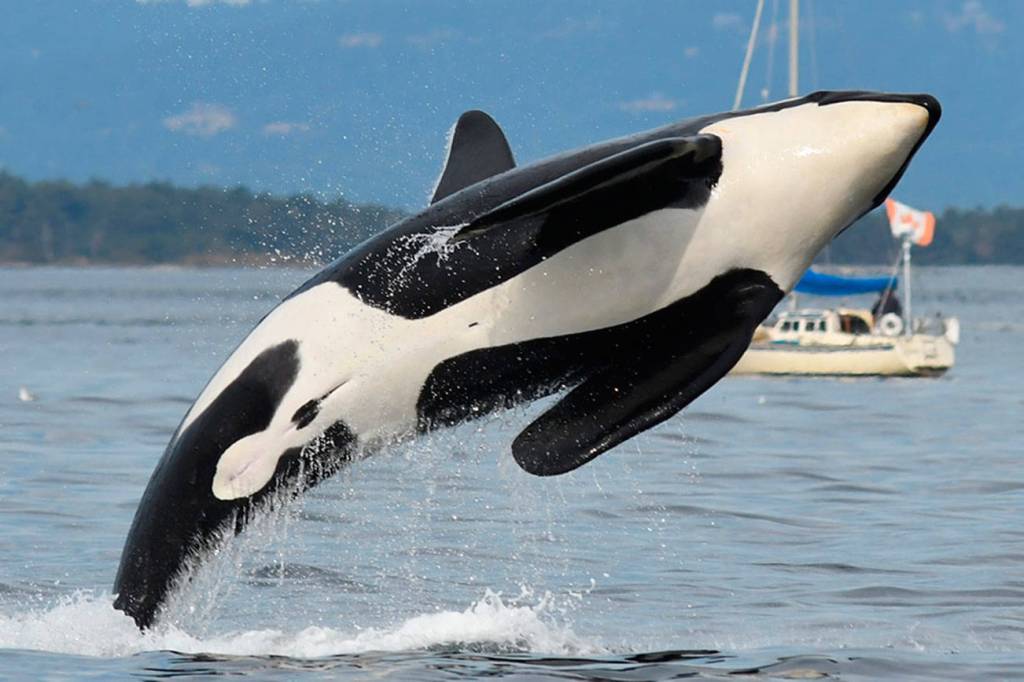
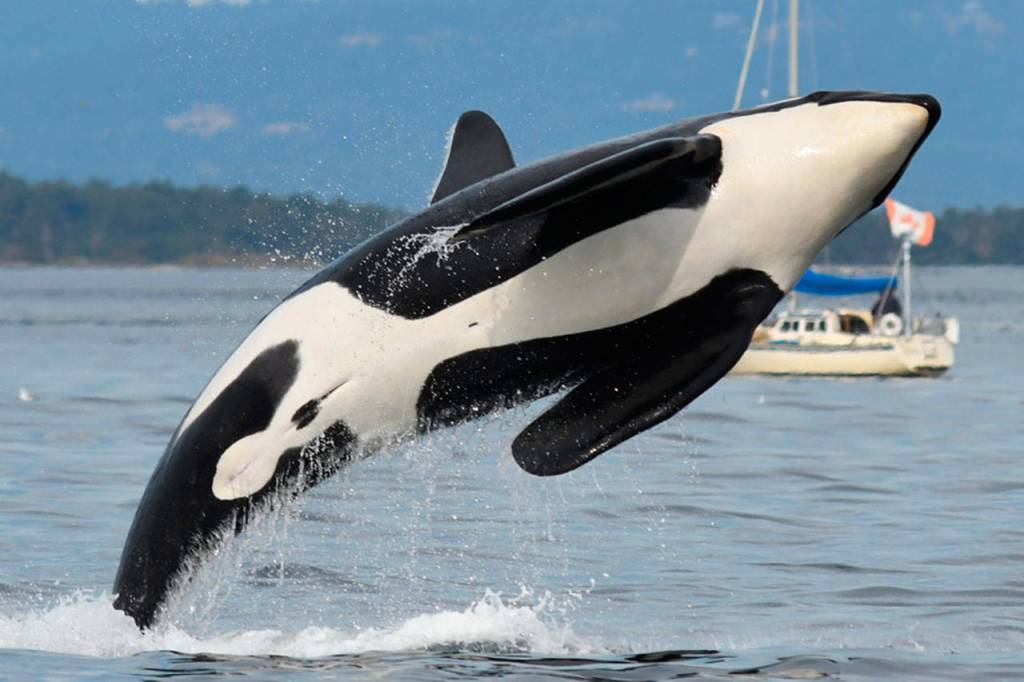
FRIDAY HARBOR — Islanders paid tribute to three Southern Resident orcas — Princess Angeline, J17; Scoter, K25; and Nyssa, L84 — who died this year, as well as all of the orcas that have been lost.
“Each one of these whales had a story,” said Jenny Atkinson, The Whale Museum’s executive director.
She thanked Orca Adoption Documentarian and Story Keeper Jeannie Hyde for keeping those stories alive.
The Whale Museum hosted its eighth annual Story Keeper event Nov. 1. Members of the public were invited for refreshments and to share stories and photographs. The Whale Museum staff and attendees read biographies of the three orcas.
The Southern Residents consist of three pods; J, K and L. They were named residents because — until recently — these orcas tended to spend most of their time in the Salish Sea.
The Southern Residents were listed as endangered in 2005, after their numbers declined 16 percent in just eight years, dropping from 98 to 82 from 1995 to 2003, according to the U.S. Environmental Protection Agency.
Since then, the population has continued to decline. The total number in the three pods is now 73.
Researchers believe the animals are starving because their primary food source, chinook salmon, is also endangered.
As a result, researchers have noted that orcas are spending less time in the waters surrounding the San Juan Islands and other parts of the Salish Sea — such as Port Townsend — and more time in areas where they have a better chance of finding fish.
The Center for Whale Research, a local nonprofit that has studied the whales for more than 40 years, reported Aug. 6 that Princess Angeline, J17, Scoter, K25, and Nyssa, L84, had not been seen with their respective pods, and thus are presumed dead.
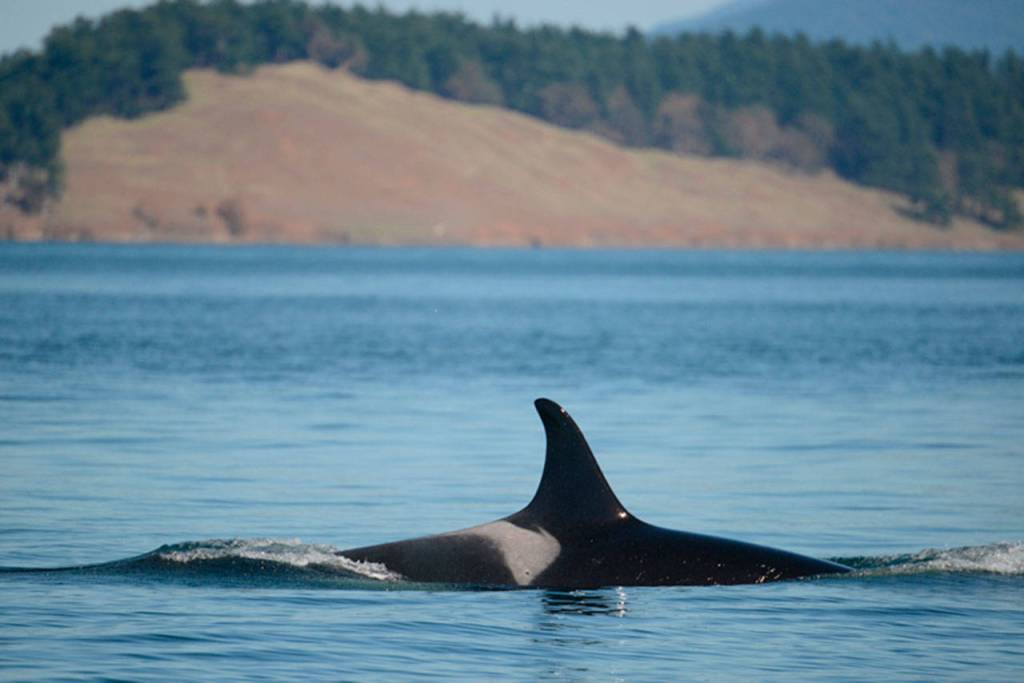
Princess Angeline was a 42-year-old mother, daughter and aunt. Named after the daughter of Chief Seattle — Sealth — she is also one of the orcas that can be spotted in the movie “Free Willie.”
The Center for Whale Research noticed she appeared to be malnourished and developing peanut head — the shape an orca’s head takes when severely emaciated — in December 2018.
Staff described her in a Dec. 31 encounter on the center’s website, “Unfortunately, J17 has not improved in health and showing a true peanuthead now. Perhaps reacting to their mother’s condition, both J35 and J53 were acting mopey.”
Tahlequah, J35, and Kiki, J53, along with Moby, J44, are Princess Angeline’s offspring.
Tahlequah is the 21-year-old mother that lost her newborn calf in summer 2018 and was seen carrying the baby’s body on her rostrum, or nose, for 17 days after it died.
Kiki is 4 years old and Moby is 10.
“Princess Angeline can be described as a steadfast mother who is a helper and a touchstone for all her family,” her Whale Museum biography reads.
Atkinson’s memory of J17 was of watching her swimming with her daughters and playing with the youngsters.
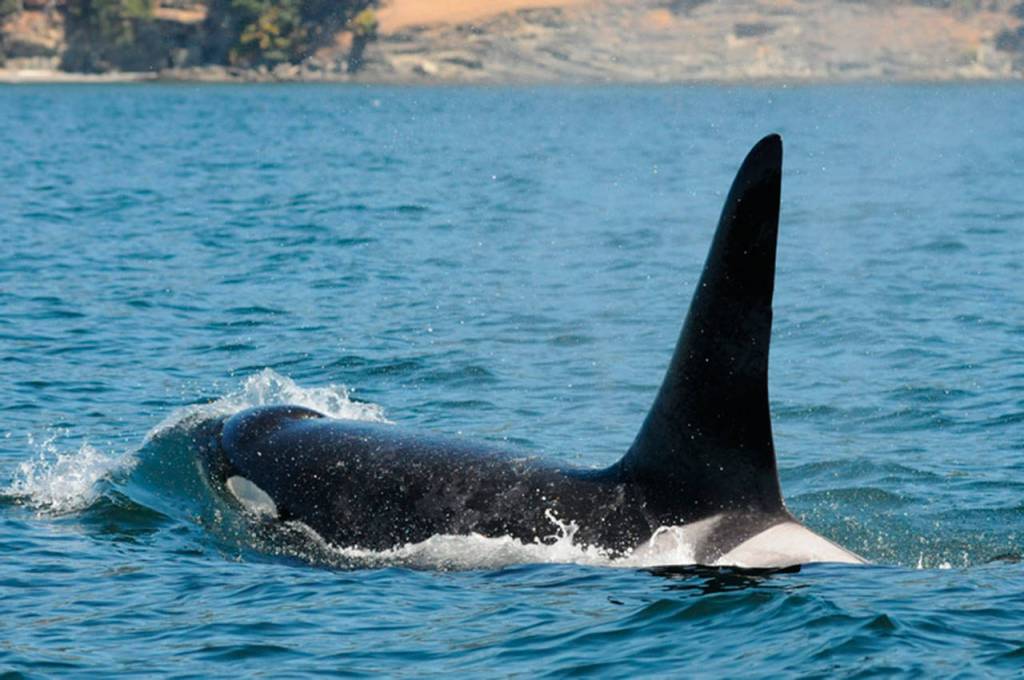
Scoter, K25, was the oldest male in his matriline line at 28 years old. He began showing signs of poor body condition after his mother Skagit, K13, died in 2017.
Scoter was named after the stocky black and white Surf Scoter shorebird, according to the Orca Network website.
Scoter is survived by his 33-year-old sister Spock, K20, and Spock’s daughter Comet, K38. He also has a 25-year-old sister Deadhead, K27, and an 18-year-old brother Cali, K34. Cali means heart in Coast Salish, according to The Whale Museum’s Orca Adoption website.
Memories of Scoter included playing with his sister Deadhead, spy-hopping — lifting their heads out of the water — covered in kelp. He also was seen frequently socializing with the other males in his pod.
L pod spent much of the summer in Canadian waters, according to the Center for Whale Research. When Fisheries and Oceans Canada noticed that Nyssa was not among the pod, he was assumed missing and presumed dead. The death of the 29-year-old was the end of his matrilineal line, which had been a clan of 11 whales, according to a Center for Whale Research press release in August.
“Nyssa was not a flashy whale,” Hyde said, “but he had a presence.”
From 1999 to 2003, Nyssa’s mother, brother and grandmother all died, too.
Atkinson noted that one young orca adopter had told Atkinson that she had chosen Nyssa because he was a survivor.
Summer 2018 was an equally heartbreaking time for orca lovers. Among the three deaths that year was 4-year-old Scarlet, J50. Longtime islander and marine naturalist James Maya shared a story with the Journal about Scarlet, who died in 2018.
“Of all the calves that I have witnessed in my years on the water, none inspired more love and devotion than did little J50,” Maya said.
“From the start, she was small but powerful. And courageous.”
Maya explained that the birth was difficult. Another orca assisted J16 by grabbing the tiny calf with its teeth and pulling her from her mother. The resulting scars behind J50’s dorsal became one of her identifying features.
“She loved to jump,” Maya continued. “Not just now and then, but often many times in a row.
“She would approach boats out of curiosity. As she began to fade, she struggled to stay up with her matriline. Courageous to the end.”
For more information about the Southern Residents and what steps individuals can take to help, visit The Whale Museum at whalemuseum.org, or The Center for Whale Research at www.whaleresearch.com.