HORSEPLAY: Horse care during the Olympic Peninsula winter
Published 1:30 am Saturday, December 27, 2025
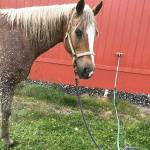
‘TIS THE SEASON many are gathering inside in a warm home, perhaps in front of a toasty fire inside a wood stove, to enjoy special moments with family and friends. Sounds delightful, doesn’t it?
‘Tis also the season of winter storms and freezing weather. That means it takes a wee bit more time to care for, and clean up, after our outdoor animal family— horses, livestock and other animals.
I do hope all dogs and cats are allowed to shelter inside the home with their humans. If not, at the very least, please provide them a warm place to shelter and eat in, plus fresh drinking water.
Speaking of water, did you know the average size horse drinks 10 to 12 gallons of water per day? Or that cold weather increases an animal’s need for feed and water? Makes sense, right? When it’s cold out it takes more of the horse’s energy to tolerate the weather, which means they need to consume more hay and water.
Water has a role in moving digested food through the intestine. Lack of fresh, unfrozen water leads to dehydration and is the number one cause of colic in horses. Colic is a blockage of partially digested food in the gastrointestinal that’s very painful and often deadly.
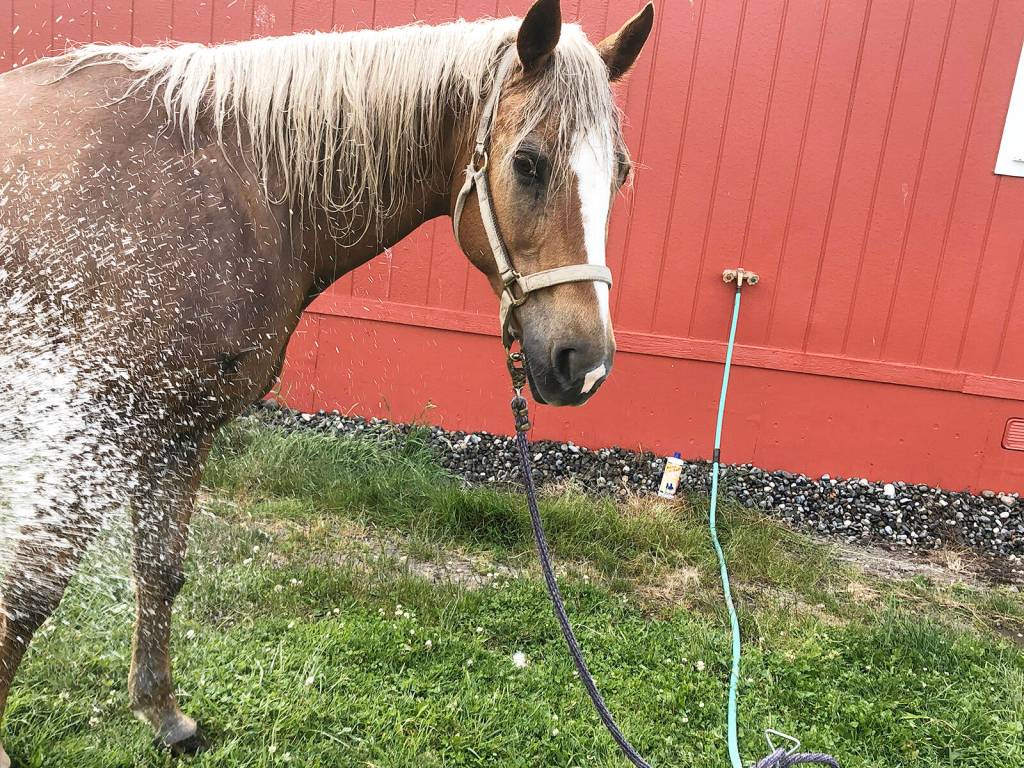
I’ve found an exterior hot-cold frost-free water faucet can make winter life easier when washing mud off lower legs and hooves to check for thrush, soak their feed with warm water and to melt ice off the top of a water trough. Of course, you don’t want to wash a horse when the weather is extremely cold, unless it takes place indoors, there’s a heat source nearby and you have a way to completely dry the horse off. Afterward apply a warm winter blanket.
The first faucet I installed was opposite my kitchen sink on the exterior wall outside my former home of 20 years. It came with a diagram of the proper hole site to cut for the pipes, and from there I plumbed it to the sink’s hot and cold pipes.
In my current home, I installed a similar exterior hot-cold, frost-free water faucet made by Woodford, model 22, piping it to a bathroom sink that faced an exterior wall.
Blankets?
To blanket or not? Most healthy horses can thrive without a winter blanket if they are getting the proper nutrition, can move freely 24/7 and have access to shelter from the rain and snow. Some horses may choose to stand under the shelter, while others may not. At least give them the option.
Situations in which a horse could benefit from a winter blanket include those living inside a barn’s box stall (where a cold, chilling air is often present and the horse’s movement is limited), older horses, those with health problems, horses new to the area from a warmer climate and, like people, some horses get chilled to the bone faster than others.
Donkeys, by design, are desert animals. I’ve been told by owners they require shelter and outdoor, waterproof blankets, too.
Just be sure not to over blanket a horse, as too much heat can be detrimental. We don’t want them sweating underneath their blankets, as come night that sweat could freeze. Keep in mind we don’t have the extremely cold and long-lasting snow like those living in Minnesota.
Here on the damp Peninsula, a waterproof and lined blanket is required in either light or medium insulation. Remove the blanket at least once a week, preferably more, to give the coat a good brushing and to make sure the water proofing has held up.
I’m always amazed by the number of owners who rarely, or never, remove the blanket all winter.
I assure you, wearing a wet blanket is very hazardous to a horse’s skin. Google “Rainrot.” Be sure to reapply the water-proofing to a dry blanket as needed.
Frozen
When the top of the water trough freezes, it often takes an ax-pick to break through the surface, and then, depending on how cold it is, you need to pour buckets of warm water twice daily to keep it drinkable. If you have a long enough electric extension cord, add a stock tank de-icer to keep it from freezing over.
You can purchase covers to protect the plugs from water.
If not, there are many creative ideas on the Internet to help prevent the freeze.
One is placing a smaller trough inside a large one. Put straw as insulation in the space between the two. On the top, place plywood lined with rigid foam, attaching to the trough with C-clamps. Cut a cut a hole in the center large enough for your horse to drink from.
When finished refilling the water trough, remove from the faucet and completely drain the hose to prevent ice from forming inside and blocking the water flow. Otherwise you’ll need to take the hose inside your home to thaw under warm water in your shower or bathtub.
What an unnecessary hassle. Been there, done that, too many times!
And cheers to all those taking part in the Facebook Winter Ride Challenge 2025-2026!
________
Karen Griffiths’ column, Peninsula Horseplay, appears the second and fourth Saturday of each month.
If you have a horse event, clinic or seminar you would like listed, please email Griffiths at kbg@olympus.net at least two weeks in advance. You can also call her at 360-460-6299.