
POINT OF VIEW: Training for high-wage work on waterfront
Published 1:30 am Saturday, March 7, 2026
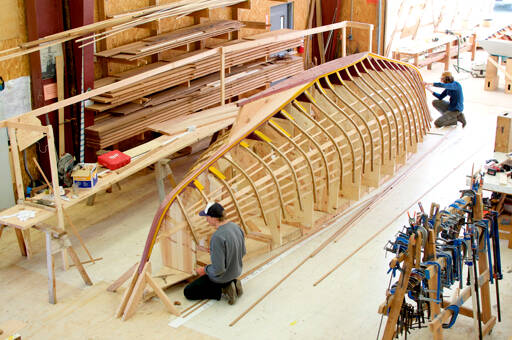



THE MARINE TRADES are one of humanity’s oldest activities, and walking through the Northwest School of Wooden Boatbuilding, you can feel the deep roots of the tradition’s history. As the salty sea air mixes with the scent of freshly sanded wood, you can’t help but feel a connection to the rich culture and character inherent in the practice.
With deep roots and history, the maritime sector is a cornerstone of the regional economy, and the boat school plays a vital role in preparing the next generation of skilled professionals.
Students come to the school from all walks of life. There are no prerequisites for admission, and cohorts include recent high school graduates, career changers and individuals with varying levels of hands-on experience. While their backgrounds differ, students share common qualities: curiosity, persistence and a desire to work creatively with their hands.
This is not a desk-bound education. It prepares graduates for careers that require critical thinking, technical skills and practical problem-solving. Many are drawn by a natural desire to understand how things work — often the kind of people who take something apart simply to understand how to put it back together.
Hands-on learning
The school offers a 12-month boatbuilding program, a nine-month marine systems program, five-day intensives and three-day workshops in marine systems topics. Each pathway is immersive and hands-on, equipping students with the technical skills that employers are actively seeking.
The marine systems program provides comprehensive training that teaches students not only individual systems but also how they integrate within the vessel as a whole. The boatbuilding program emphasizes both craftsmanship and workforce readiness. Students build vessels ranging from 8 to 36 feet, including power, sail and row boats.
Paths to employment
Hands-on training at the boat school leads directly to living-wage employment in boat shops, shipyards and vessel manufacturing facilities. Marine trades businesses throughout the region report unfilled positions and sustained demand for trained technicians, a need expected to grow as experienced workers retire.
Many graduates pursue careers in the maritime industry as marine technicians, deckhands, marine surveyors, boat captains and boatbuilders. Others apply their training in related fields such as woodworking, residential construction, carpentry and specialized fabrication. The technical foundation and problem-solving mindset developed at the boat school translate across industries.
The school’s guiding belief remains clear: If you can build a boat, you can build anything. Alumni frequently find their skills extending well beyond the waterfront.
Expanding opportunity
To help meet regional workforce demand, Recompete is investing in the Northwest School of Wooden Boatbuilding to expand its capacity and connect more residents to strong career pathways.
Recompete strategically focuses on local industries that provide in-demand, high-wage employment. The maritime trades represent one of these key sectors, and the infrastructure for success is already in place on the Olympic Peninsula: industry partners, hands-on training and a thriving waterfront economy.
The public is invited to tour the 8-acre Port Hadlock campus on the first Friday of every month starting at 3:30 p.m., or by appointment.
Visitors are encouraged to experience firsthand the culture, craftsmanship and career potential that define the marine trades.
For more information about programs, admissions and scholarships, visit NWSWB.edu.
________
Carolyn Edge is the Recompete communications and media coordinator. She can be reached by email at carolyn.edge@recompetewa.org.