
By Phuong Le
The Associated Press
SEATTLE — Washington state adopted a new rule Thursday to limit greenhouse gas emissions from large carbon polluters, joining a handful of other states in capping emissions to address climate change.
State environmental regulators finalized a rule requiring large industrial emitters to gradually reduce carbon emissions over time. The change will cover power plants, oil refineries, fuel distributors, pulp and paper mills and other industries.
The new rules do not affect mills on the North Olympic Peninsula until 2032, when the Port Townsend paper mill is expected to meet the criteria.
A list of potentially eligible businesses is at http://tinyurl.com/PDN-ecologylist.
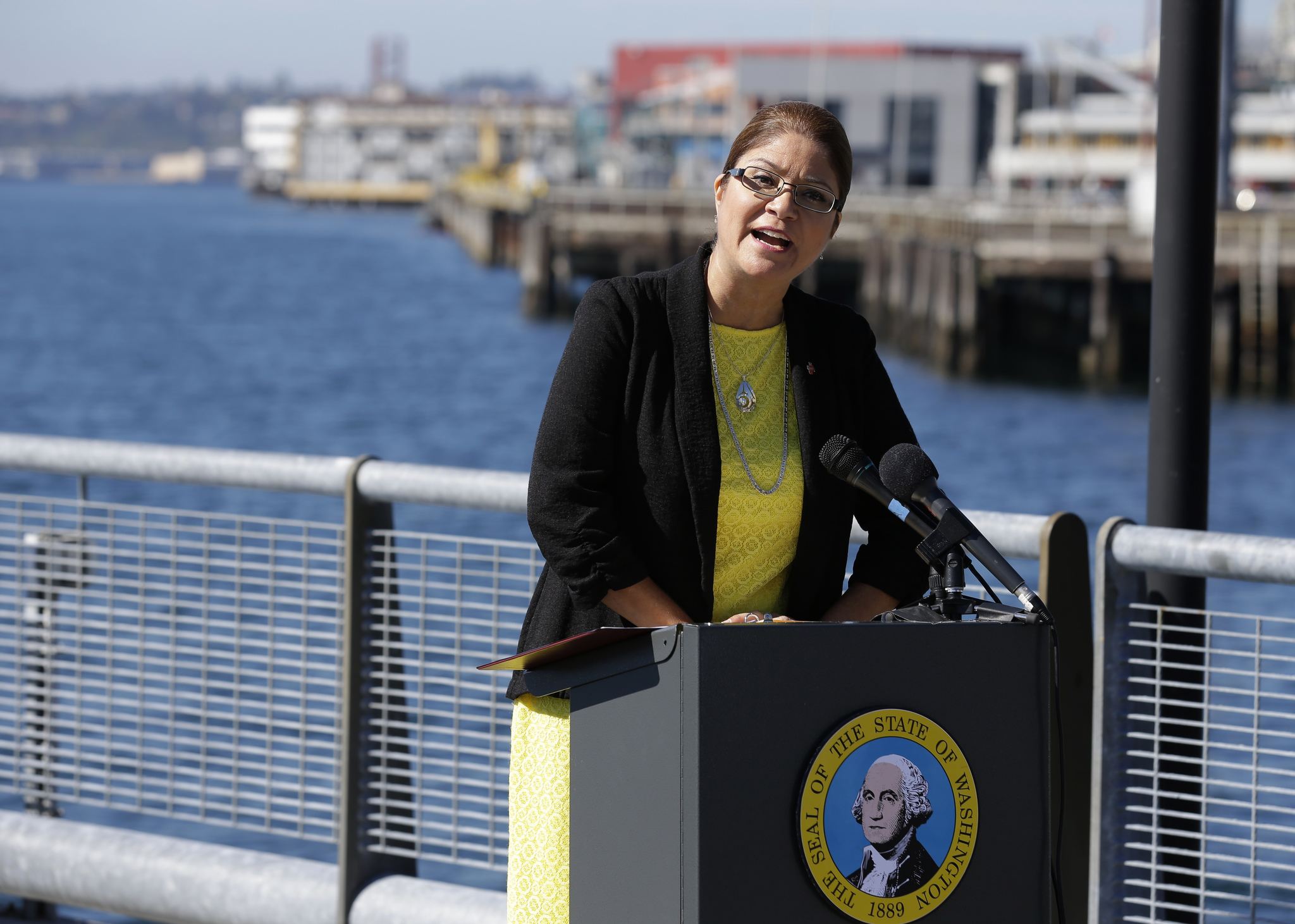
“When we consider the challenges our communities face from climate change, we are compelled to act,” state Ecology Director Maia Bellon said at a news conference on Seattle’s waterfront.
Critics say it will hurt families, as costs are passed on to consumers; limit the state in attracting and retaining businesses; and hamper the ability of energy-intensive businesses to compete globally.
Supporters say limiting heat-trapping gases is needed to protect human health and the environment. The state faces severe economic and environmental disruption from rising sea levels, increased risks of drought and wildfire, and other climate change impacts.
Gov. Jay Inslee sought the rule last year after failing to gain legislative support for a more ambitious plan to charge polluters a fee, similar to California’s cap-and-trade program. A coalition of Northeast states also has a cap-and-trade program that applies to power plants.
Under Washington state’s rule, large carbon polluters will be required to reduce carbon emissions by an average of 1.7 percent annually. The rule would apply to those that release at least 100,000 metric tons of carbon a year. More facilities will likely be covered by the rule as the threshold is lowered over the coming decades.
Unlike the cap-and-trade legislation Inslee sought last year, the rule adopted Thursday won’t charge emitters a fee for carbon emissions. Inslee had previously pitched a polluter fee as a way to raise more than $1 billion a year for schools, transportation and other state needs.
Republican lawmakers have criticized Inslee, a Democrat, for taking executive action on the issue, saying lawmakers should set such policy. Some legislators have previously tried to prohibit the Ecology Department from passing such a rule.
Sen. Doug Ericksen, R-Ferndale, said in statement Thursday that the rule “will have no impact on the world climate, but will have a chilling effect on our economy.” It would force families to pay more to heat their homes and drive to work, he said.
But Bellon said consumers likely won’t feel the impacts. Using worst-case scenarios, the state estimates that by 2020 electricity prices would go up by $16 a year and gas prices would increase by 1 cent.
Several environmental groups Thursday applauded Inslee for pushing ahead on climate action, saying it’s an important first step.
“We must continue to work toward a comprehensive climate policy” that puts a price on emissions and reinvests the money in clean energy programs and communities most impacted by climate change, Sasha Pollack with the Washington Environmental Council said in a statement.
Businesses would have different ways to comply. They could lower their emissions, invest in projects that permanently reduce carbon pollution or buy credits from others in the program or from other approved market-trading carbon markets.
A state economic analysis indicates the costs for all businesses to comply over 20 years range from a low of $410 million to a high of $6.9 billion, depending on the way they comply. The measure is also estimated to provide $9.6 billion in benefits over 20 years by improving environmental, health and other conditions.
Two dozen businesses likely will to be covered when the rule takes effect in October 2017. They include all five oil refineries, several Puget Sound Energy facilities, including those in Longview, Goldendale and Sumas, the Grays Harbor Energy Center in Elma, Frederickson Power facility in Tacoma and Spokane’s Waste to Energy facility.
In November, Washington state voters will consider Initiative 732 that would impose a direct tax on carbon emissions from fossil fuels burned in the state while lowering state sales and business taxes.
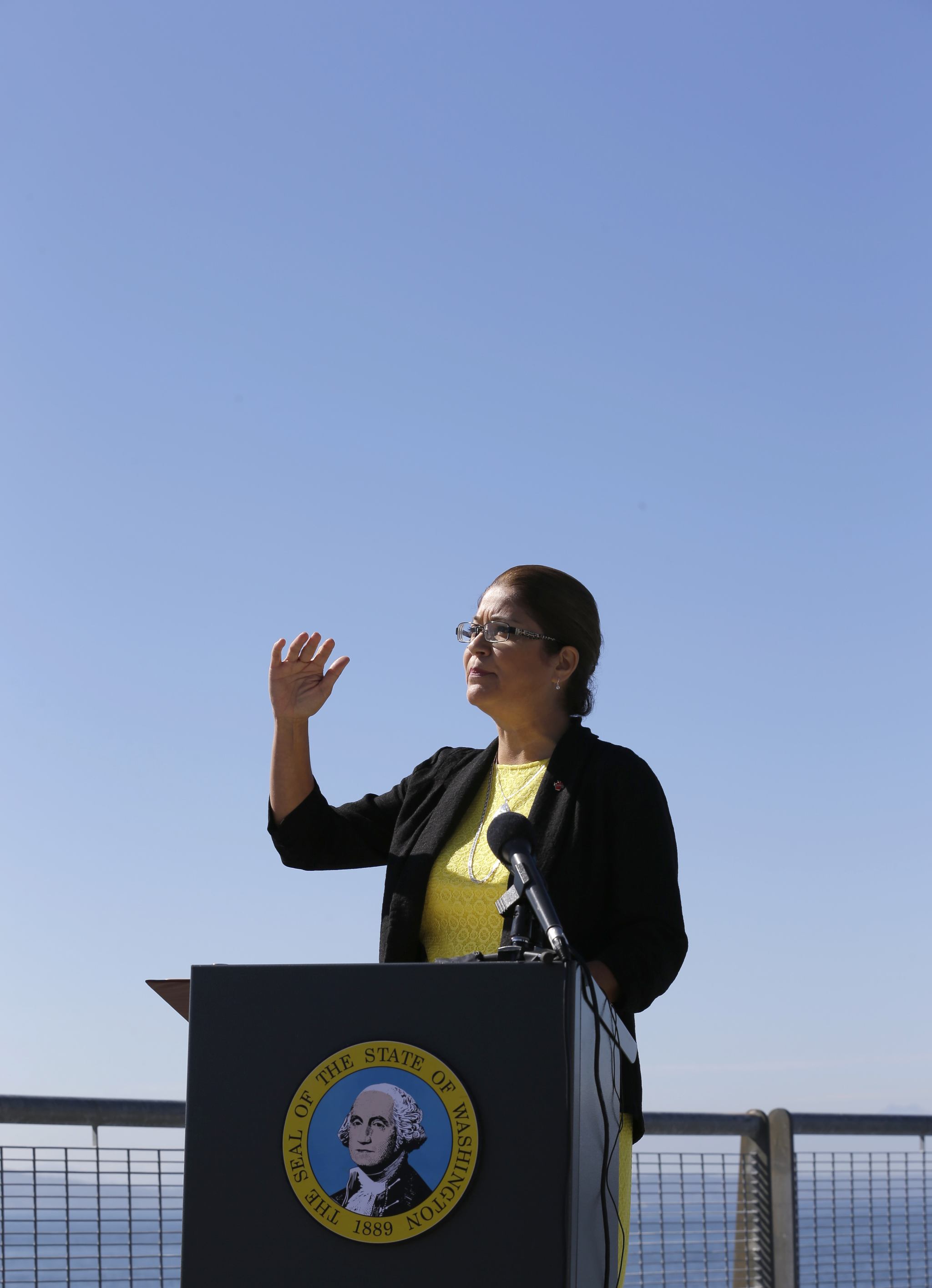
Maia Bellon, director of the state Department of Ecology, speaks at a news conference Thursday overlooking Elliott Bay in Seattle. (Ted S. Warren/The Associated Press)
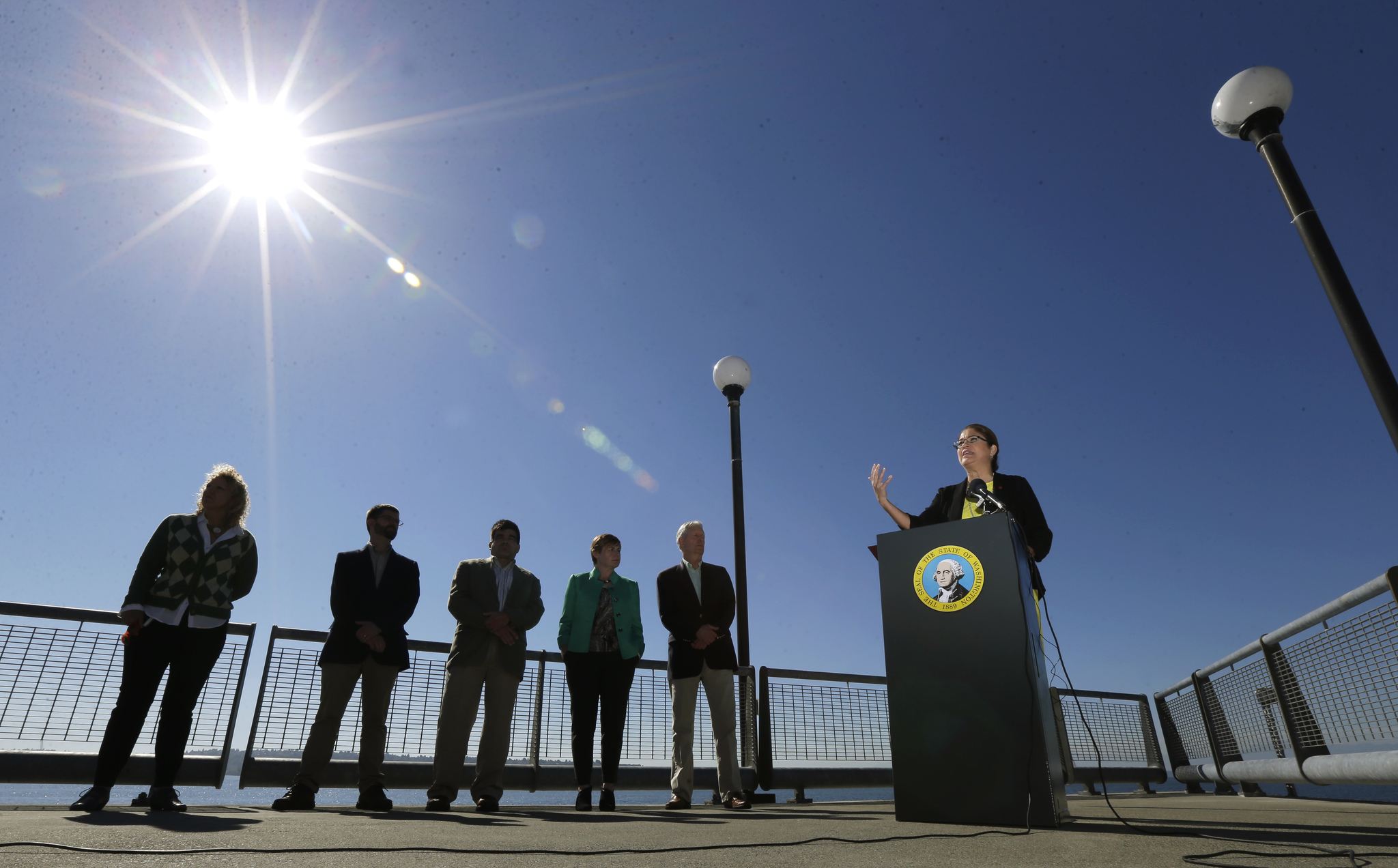
Maia Bellon, right, director of the state Department of Ecology, speaks at a news conference Thursday overlooking Elliott Bay in Seattle. (Ted S. Warren/The Associated Press)
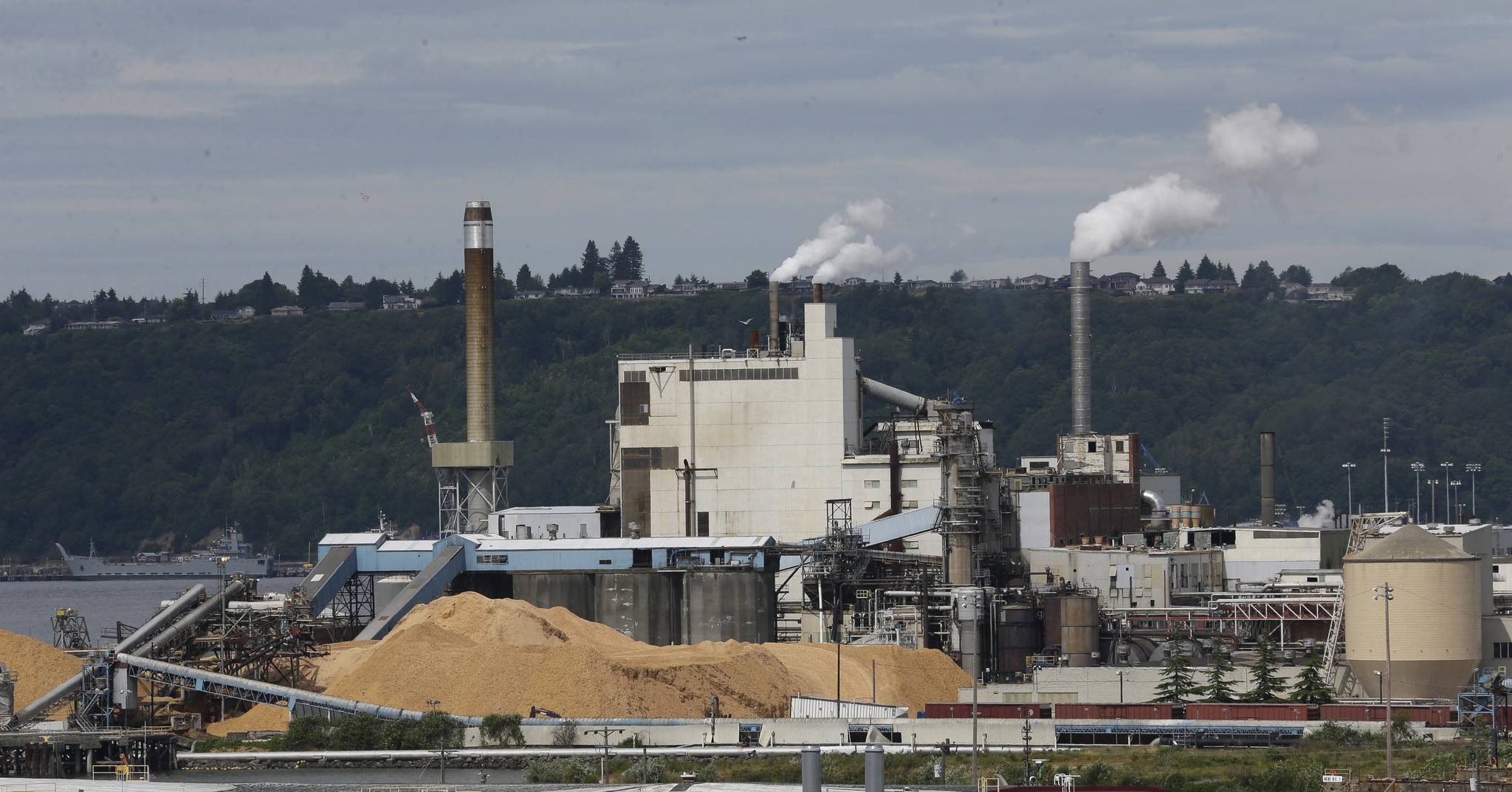
In this June 1 photo, piles of wood chips sit near the RockTenn paper mill in Tacoma. (Ted S. Warren/The Associated Press)
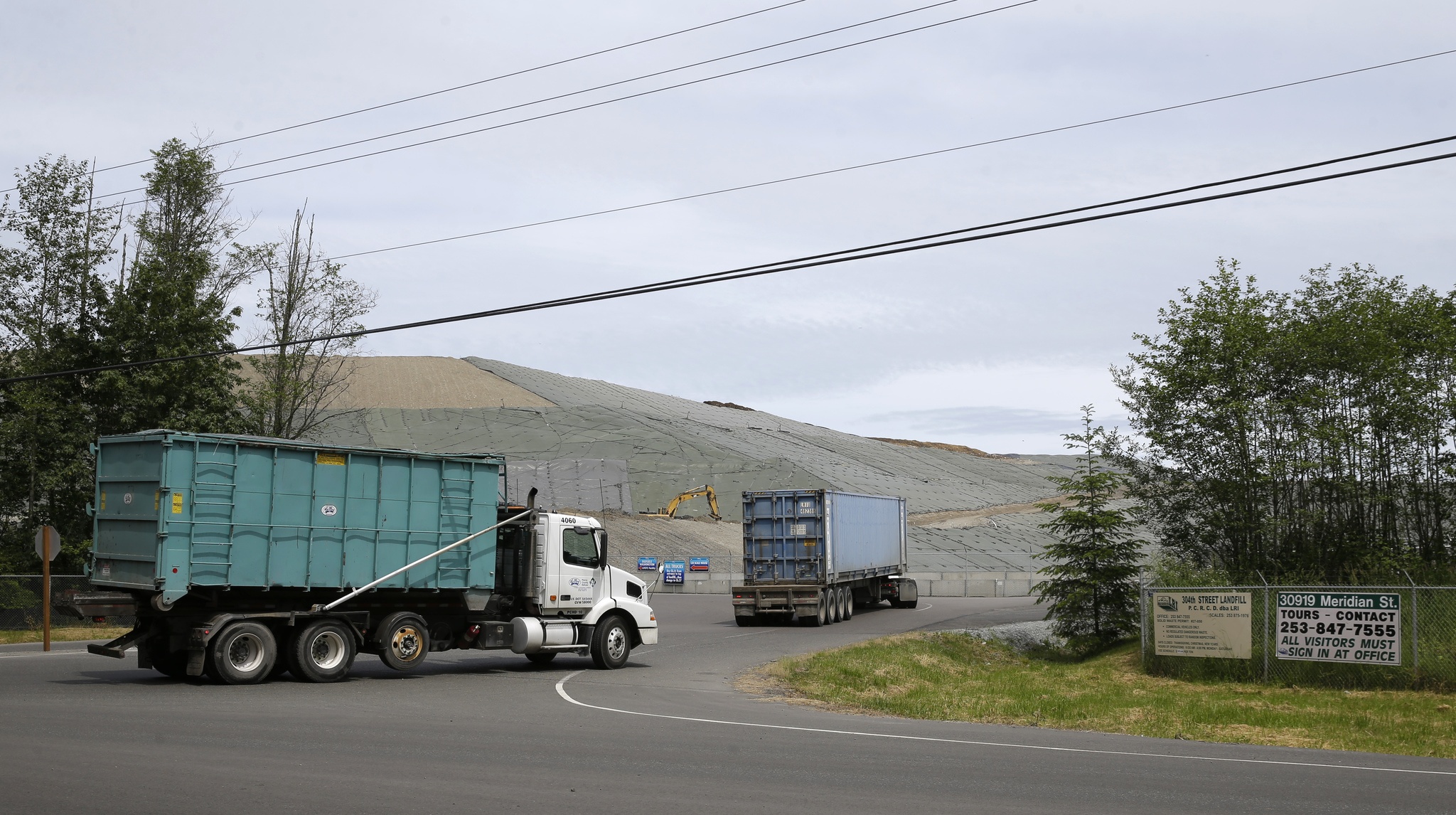
In this June 1 photo, trucks enter the LRI landfill in Graham. Washington state environmental regulators finalized a new rule Thursday to limit greenhouse gas emissions from large emitters, including the landfill. (Ted S. Warren/The Associated Press)
